Kerala’s fashion scene is growing fast. Kochi Fashion Week draws designers from across South India. Instagram reels showcase Kasavu sarees styled in bold new ways. Young photographers in Kochi, Thiruvananthapuram, and Kozhikode are building portfolios that compete with anything coming out of Mumbai or Delhi.
But a stunning editorial photo doesn’t happen by accident. It happens because someone planned it well.
This guide breaks down exactly how to plan a fashion photo shoot and to know about fashion photography, step by step. Whether you’re a photographer building your portfolio, a stylist working with a boutique in Kochi, or a college student experimenting with your first editorial concept, this process will help you shoot with purpose instead of guesswork.
What Makes a Photo Shoot “Editorial”
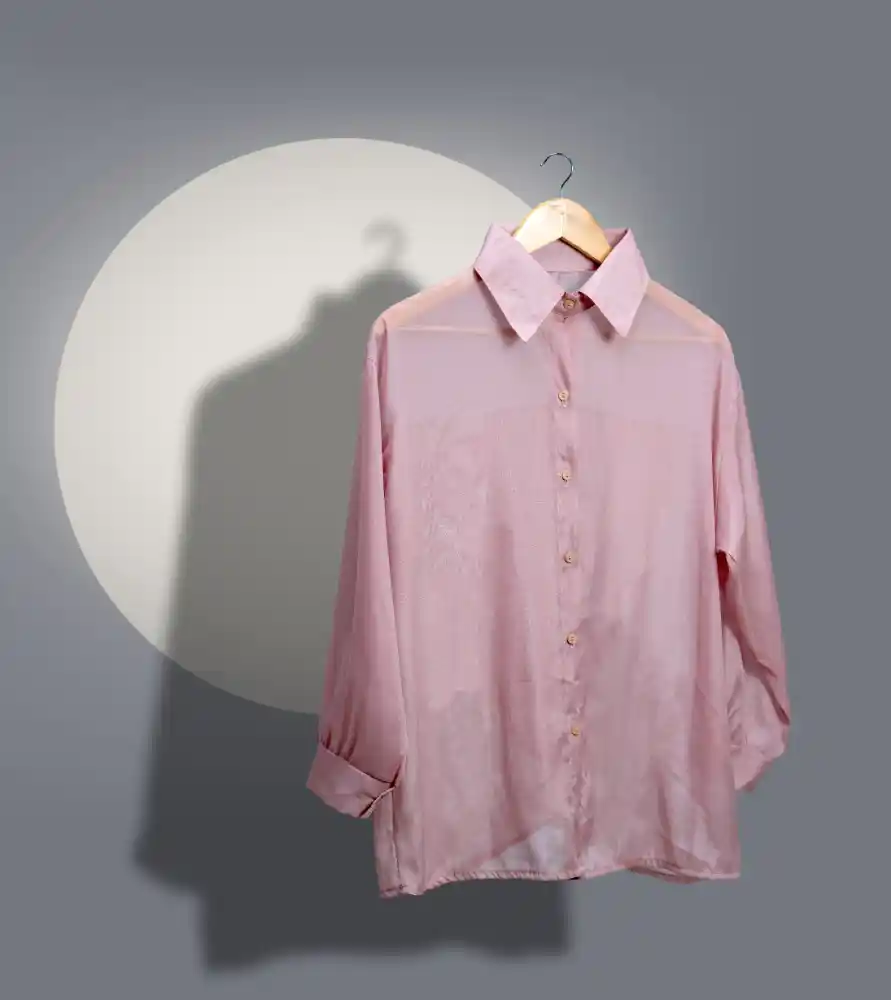
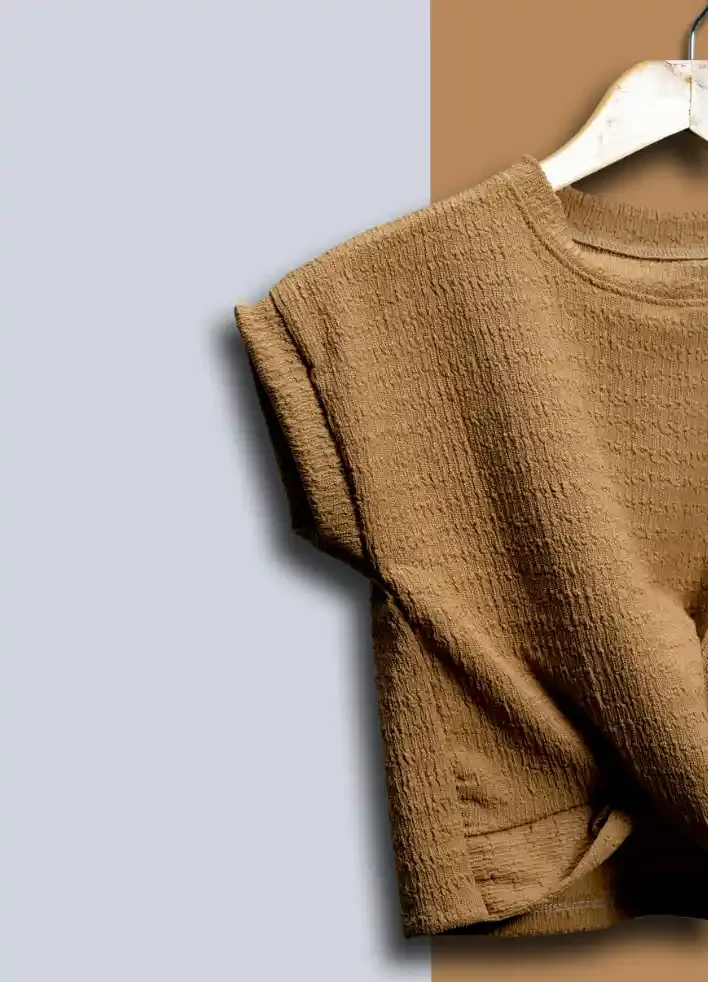
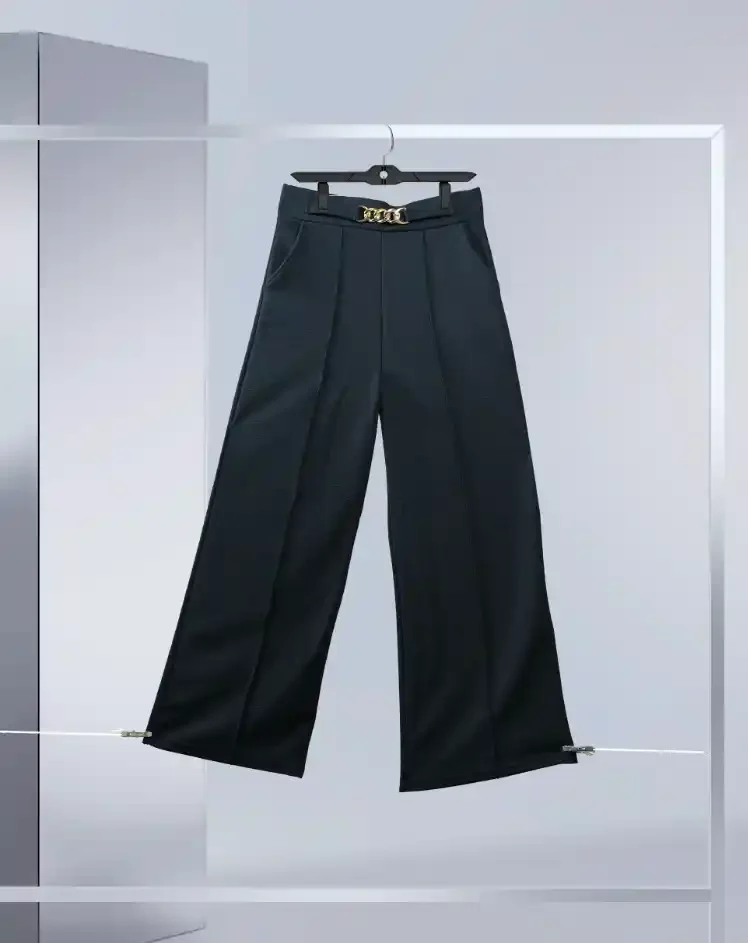
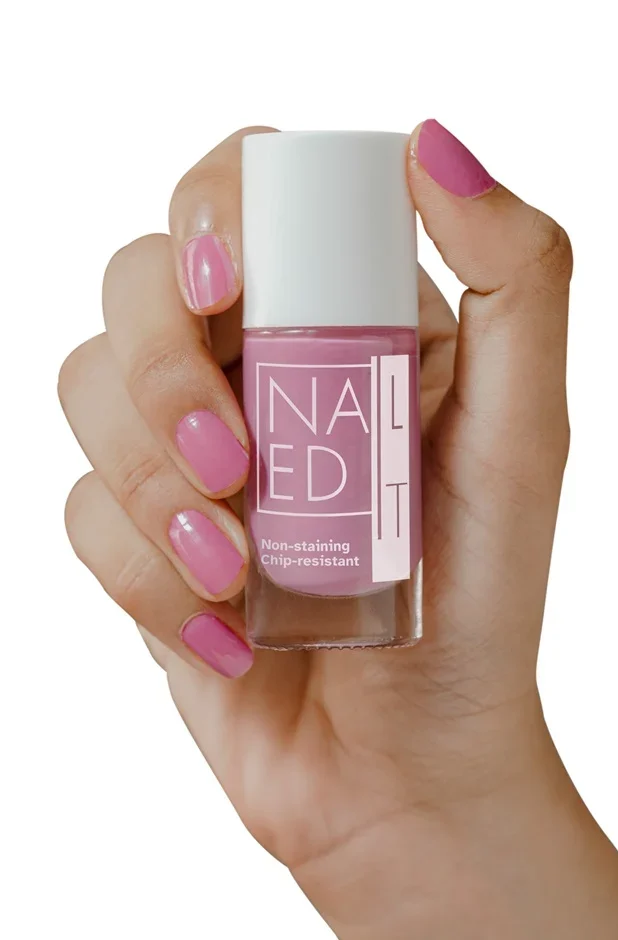
Editorial fashion photography tells a story. It’s different from a simple product shoot for an online store. An editorial image captures a mood, a narrative, or a feeling, the kind of photo you’d expect to see in a fashion magazine spread rather than a catalog.
Editorial work does three things well:
- It tells a visual story, not just shows a garment.
- It expresses a creative point of view.
- It captures the soul of a brand, a designer, or a theme.
This is also why editorial shoots make such strong portfolio pieces. They show clients and collaborators that you can think creatively, not just operate a camera.
Build Your Concept Before You Book Anything
The single most important step in planning a fashion photo shoot is developing a clear concept before you book a location, hire a team, or touch your camera.
Every strong editorial shoot starts with an idea. Don’t jump straight to logistics. Start with these four questions:
- What’s the creative brief? Are you shooting for a designer’s new collection, a personal portfolio piece, or a magazine pitch? Write down the goal in one sentence.
- What’s trending right now? Look at what’s working on Indian fashion Instagram, at recent Kochi Fashion Week shows, or in international editorials. You don’t need to copy, you need inspiration.
- What’s the story? Brainstorm themes. Is it about tradition meeting modernity, a model in contemporary streetwear photographed inside an old Kerala tharavad? Is it about monsoon energy, backwater serenity, or urban Kochi grit?
- How will the models pose? Sketch rough poses or save reference shots so your team knows the visual language before shoot day.
Once you know your concept, everything else in the planning process becomes easier.
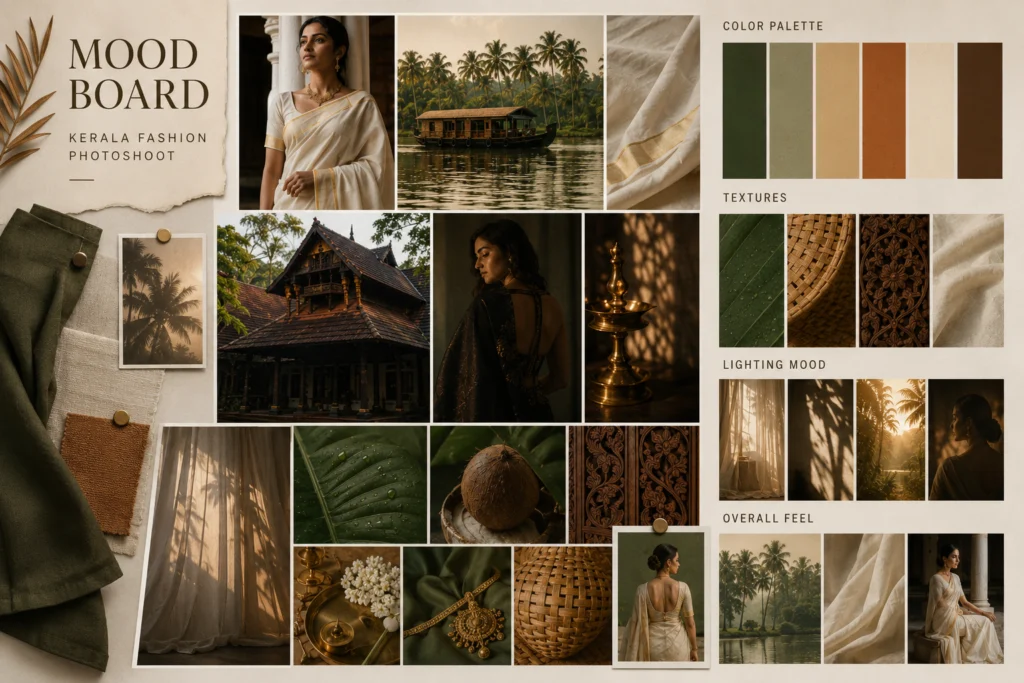
Create a Mood Board
A mood board turns your idea into something everyone on your team can actually see and understand.
Build your mood board around four things:
- Visual references : photos, films, or paintings that match your vision.
- Color palette : will you shoot in earthy monsoon tones, warm Kerala golds, or crisp minimalist whites?
- Lighting inspiration : soft natural light through a window, dramatic studio strobes, or golden hour on a beach in Varkala?
- An aesthetic summary : one paragraph that captures the whole look and feel.
Share this mood board with your stylist, makeup artist, and models before the shoot. It saves time and prevents confusion on the day itself.
Build Your Creative Team
A fashion shoot is a team effort. Even a small, budget-friendly shoot needs the right people in the right roles.
Fashion Stylist : decides on wardrobe, accessories, and how each look supports the concept.
Models : cast people who fit the story you’re telling. Local modeling agencies in Kochi and Thiruvananthapuram, or even talented friends and college students, can work well for smaller shoots.
Hair and Makeup Artist : brings each look to life and keeps it consistent across multiple outfit changes.
Photography Assistant : handles lighting setup, reflectors, and gear so you can focus on directing the shoot.
Digital Operator (Tech) : reviews images in real time on a laptop or tablet, catching issues before you wrap the shoot.
You don’t need all five roles for every shoot. But know which ones you’re skipping, and be ready to cover that gap yourself.
Handle Your Logistics
This is the part that separates amateur shoots from professional ones. Good logistics planning prevents most on set disasters.
Choosing Your Location
Kerala offers incredible variety for editorial shoots, colonial era buildings in Fort Kochi, lush tea estates in Munnar, quiet backwaters in Alleppey, or clean studio spaces in Kochi and Thiruvananthapuram.
Before you commit to a location:
- Scout the site in person if you can, at the same time of day you plan to shoot. Light changes dramatically between morning and evening.
- Check permits. Public monuments, government-protected heritage sites, and some private properties in Kerala require permission before a commercial shoot.
- Plan a weather backup. Kerala’s monsoon season is unpredictable. Always have an indoor backup location or a flexible shoot date.
Getting Your Documentation Ready
Before shoot day, prepare:
- A call sheet : timing, location address, contact numbers, and each person’s role.
- Model releases : signed permission to use the images.
- A shot lists : the specific shots you need, so you don’t forget key looks under time pressure.
- A time plan : how long each outfit and setup will take.
Don’t Forget Catering
A well fed team works better and stays in a good mood. Simple snacks, water, and lunch go a long way on a full day shoot.
Get Your Gear Ready
You don’t need the most expensive camera to shoot great editorial work. You need the right gear, prepared correctly.
Equipment checklist:
- Camera body plus a backup, in case something fails mid-shoot.
- A versatile lens selection, a prime lens for portraits, a zoom for flexibility.
- Strobes and light modifiers if you’re shooting indoors or need to control harsh Kerala sunlight.
- Props and a mirror for touch ups between shots.
Camera settings to remember:
- Shoot in RAW format. It gives you far more control during editing.
- Use manual mode so you control exposure precisely, especially in Kerala’s bright midday sun or dim monsoon light.
- Don’t be afraid to experiment with creative distortions or unusual angles ; editorial work rewards bold choices.
Run the Shoot
On the actual shoot day, your job shifts from planner to director.
- Build a comfortable, creative atmosphere. Nervous models don’t photograph well. Talk to them, play music, and keep the energy relaxed.
- Think about composition and framing for every shot, not just focus and exposure.
- Invite feedback from your team. Your stylist or assistant may spot something you miss through the viewfinder.
- Keep checking that every shot supports your original story. It’s easy to drift from your concept once you’re caught up in the moment.
Post Production
The shoot isn’t finished when you pack up your gear.
- Cull your images. Go through everything and select only the strongest shots.
- Retouch with consistency. Every image in your final set should feel like it belongs to the same story, same color grading, same mood.
- Use Lightroom and Photoshop for color correction, skin retouching, and final polish.
- Back up your files immediately. Save copies in at least two places before you delete anything from your memory card.
Share Your Work
A great shoot deserves to be seen.
- Pitch to magazines. Both national fashion publications and Kerala based lifestyle magazines look for fresh editorial content.
- Follow submission guidelines carefully. Every publication has its own format and requirements.
- Build a strong online portfolio. This is often the first thing a client or collaborator checks.
- Post strategically on social media. Instagram is where most Kerala fashion audiences discover new photographers.
- Understand exclusivity rules. Some magazines want first publishing rights, meaning you can’t post the images elsewhere until they run the feature.
Final Thoughts
Planning a fashion photo shoot isn’t complicated once you break it into stages: concept, team, logistics, gear, execution, editing, and publishing. Each stage builds on the one before it.
Kerala’s creative community ; its photographers, stylists, designers, and models has everything it needs to produce editorial work that stands out nationally. The only thing separating a good shoot from a great one is planning.
Start with your concept. Build your mood board. Assemble your team. And go shoot something worth talking about.
Have a shoot in mind? let’s talk about the concept, budget, and timeline.
Fashion Photography Agencies in Thiruvananthapuram | Fashion Photography Shapes Brand Identity and Customer Perception | Fashion Photography Lighting Setups | How to Plan a Fashion Photo Shoot
