Editorial Photography: Guide for Kerala Photographers
Kerala has a strong photography culture. From wedding photographers in Kochi to travel photographers shooting the backwaters of Alleppey, the state has no shortage of talent. But editorial photography is different. It asks you to think like a storyteller, not just a technician. This guide breaks down what editorial photography is, how it differs from other genres, what gear you need, and how you can build a real career from it ; right here in Kerala or anywhere else.
What Is Editorial Photography?
Editorial photography is photography made to support a story in a magazine, newspaper, website, or book. The photographer’s job is to capture mood, emotion, and narrative, not to sell a product or document an unaltered moment.
That one line covers the basics. Now let’s go deeper.
Editorial photography has four core qualities:
- It tells a story. Every image supports a narrative. It is not there to convince someone to buy something.
- It supports written text. Editorial photos usually run alongside an article or feature. They add depth to the words on the page.
- It creates mood and tone. Atmosphere matters more than technical polish. A slightly grainy, moody shot can work better than a perfectly lit one.
- It reflects the photographer’s point of view. Editorial work is subjective and creative. Two photographers covering the same subject can produce very different images, and both can be right.
Think of a feature article on Kochi’s spice markets in a travel magazine. The photos are not there to sell spices. They are there to make the reader feel the heat, the color, and the chaos of the market. That is editorial photography at work.
Editorial Photography vs. Other Genres
Many photographers confuse editorial photography with commercial photography or photojournalism. The three genres share tools and skills, but they serve very different purposes.
Editorial vs. Commercial Photography
| AspectEditorial PhotographyCommercial Photography | ||
|---|---|---|
| Purpose | Tells a story | Sells a product or service |
| Style | Often spontaneous, mood-driven | Usually formal and polished |
| Licensing | One-time editorial use rights | Broad commercial licensing, often paid for extended use |
| Client | Magazines, newspapers, websites | Brands, advertisers, businesses |
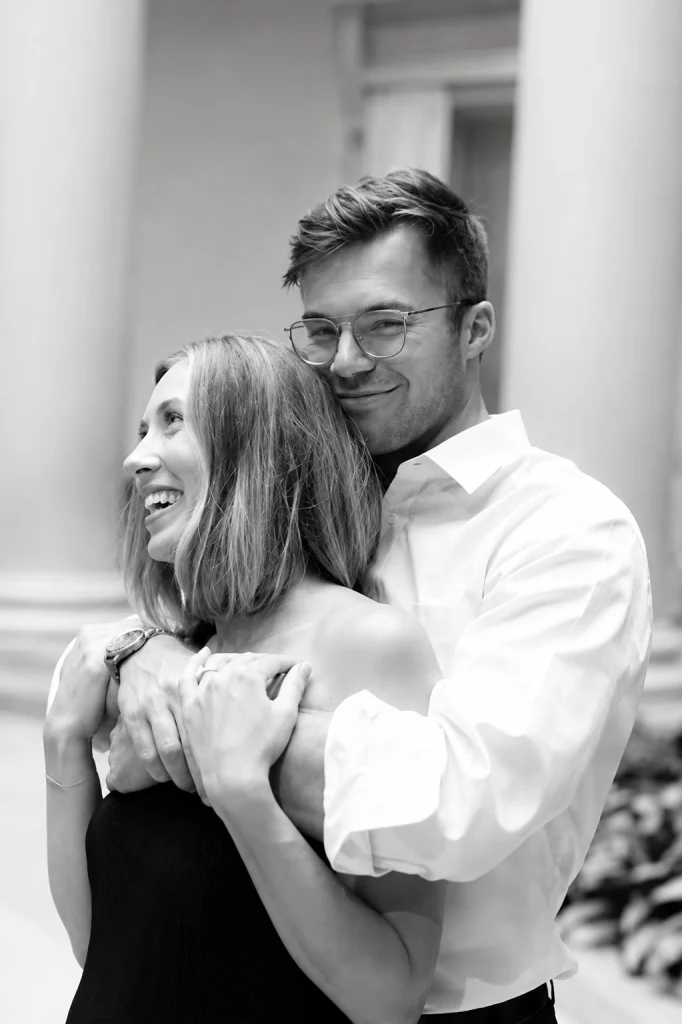
A wedding photographer shooting a couple’s portfolio for a bridal magazine works in editorial mode. The same photographer shooting for a jewellery brand’s Onam campaign works in commercial mode. The camera stays the same. The purpose changes completely.
Editorial vs. Photojournalism
| AspectEditorial PhotographyPhotojournalism | ||
|---|---|---|
| Creative control | High – staged and art-directed shots are allowed | Low – must document reality without alteration |
| Ethics | More freedom in retouching and post-production | Strict rules against staging or heavy editing |
| Focus | Mood, narrative, aesthetic | Objective, factual record of events |
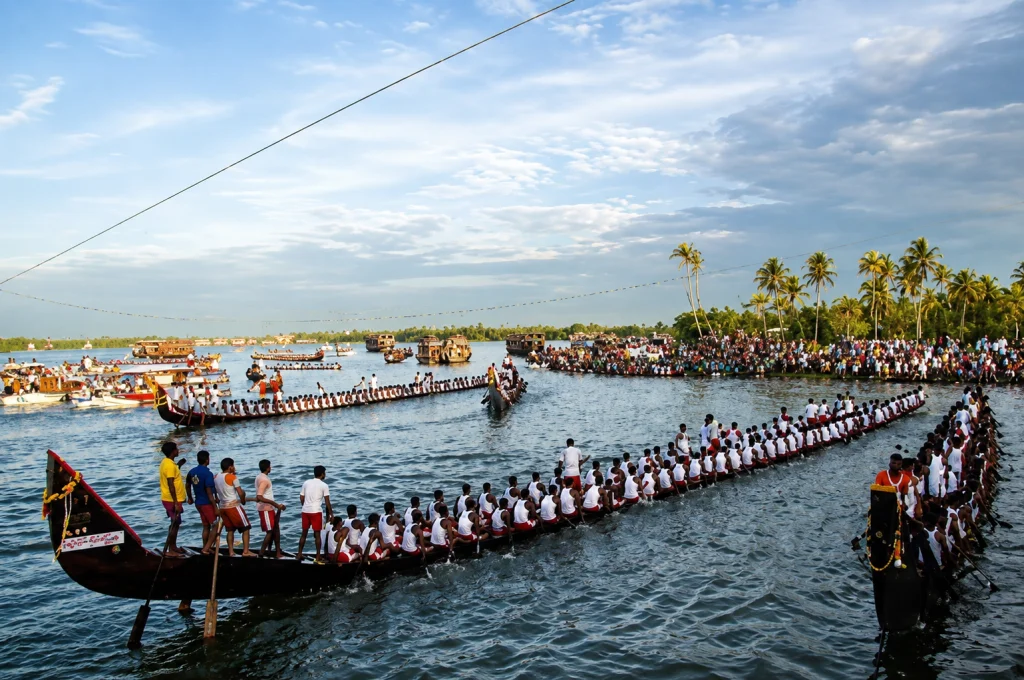
A photojournalist covering the Nehru Trophy Boat Race must capture the event as it happens, without staging anything. An editorial photographer working on a feature about Kerala’s boat race culture can direct a rower to pose for a portrait that captures the spirit of the sport. Both are valid. They just follow different rules.
Key Niches Within Editorial Photography
Editorial photography is not one job. It covers several niches, each with its own style and demands.
The main niches are:
- Fashion editorial – story-driven fashion shoots for magazines, often shot on location rather than in a studio.
- Portraiture – personality driven profile photography of people in the news, business, or culture.
- Food editorial – images that capture the culture and craft behind a dish, not just how appetising it looks.
- Architecture editorial – photography that explores the story of a building or space, from heritage homes in Fort Kochi to modern architecture in Kozhikode.
- Event editorial – coverage of festivals, launches, or gatherings shot with a storytelling lens, such as Onam celebrations or Thrissur Pooram.
If you already shoot portraits, food, or events, you are closer to editorial work than you think. The shift is in mindset, not equipment.
Essential Gear for Editorial Photography
You do not need the most expensive gear to shoot editorial work. You need reliable gear that lets you work fast and adapt to changing conditions.
A practical editorial photography kit includes:
- A full-frame DSLR or mirrorless camera. This gives you better low light performance and image quality for print.
- A 35mm or 50mm prime lens. These focal lengths give a natural perspective and flatter your subject without distortion.
- A tripod and remote trigger. Useful for portraits, architecture shots, and any situation where you need a stable frame.
- Portable lighting equipment. A small flash or LED panel helps when natural light is not enough, especially indoors.
- A light meter. This helps you get consistent exposure across a shoot, particularly useful when working across Kerala’s mix of bright outdoor light and dim interiors.
Start with what you already own. Add gear only when a specific shoot demands it.
Planning and Preparation
Editorial photography looks spontaneous, but strong preparation makes that spontaneity possible.
Before any editorial shoot, do the following:
- Study the creative brief. Understand exactly what the editor or art director wants before you plan the shot.
- Research your subject. If you are shooting a profile or feature, know the person, place, or topic well.
- Build a moodboard. Collect reference images that capture the tone you are going for.
- Sort out model and property releases. If you are photographing people or private property, get the right permissions in writing. For anything beyond a basic release form, it is worth consulting a professional for legal advice specific to your situation.
Good preparation means fewer surprises on the day of the shoot.
Shooting Best Practices on Set
Once you are on location, technical skill matters less than storytelling instinct.
Keep these principles in mind on set:
- Prioritise narrative over technical perfection. A slightly imperfect frame that tells a strong story beats a technically flawless frame with no emotion.
- Develop a unique concept. Do not settle for the obvious angle. Push for something that reflects your point of view.
- Show up on time, every time. Editors remember photographers who are reliable.
- Stay adaptable. Kerala’s weather can shift fast, from bright sun to sudden rain. Be ready to change your plan.
- Respect the location and the people in it. Whether you are shooting in a temple courtyard, a fishing village, or someone’s home, treat the space and the people with care.
Post-Production Workflow
Editing is where the story comes together. Editorial photography allows more creative retouching than photojournalism, but it still values authenticity over heavy manipulation.
A standard editorial post production workflow includes:
- Editing in Adobe Lightroom and Photoshop. These remain the industry standard tools for editorial work.
- Applying consistent presets. A consistent visual style across a set of images makes the story feel cohesive.
- Cleaning up distracting background elements. Remove anything that pulls attention away from the subject.
- Never delivering raw files to clients. Always hand over finished, edited images. Raw files are your working material, not the final product.
Building a Career in Editorial Photography
This is where most guides stop short. But if you want to shoot editorial work as more than a hobby, you need to treat it like a business.
Building a Freelance Editorial Career
Focus on these three areas first:
- Use contracts for every job. A simple contract should cover usage rights, payment terms, and deadlines. This protects both you and the publication.
- Build an online portfolio. A clean, focused website with your best editorial work matters more than a large, unfocused one. Show the kind of work you want to be hired for.
- Network with publications and agencies. Reach out to magazines and websites, both national and Kerala based, that publish the kind of stories you want to shoot. Editors are always looking for reliable photographers who understand a brief.
Income and Revenue Streams
Editorial photography rarely pays as much as commercial work per shoot. Many editorial photographers combine several income streams.
- Day rates and per project fees from magazines and publications, which vary widely depending on the publication’s size and budget.
- Stock photography sales as a supplemental income stream, especially for travel and culture focused images.
- Teaching or mentoring other photographers once you have built experience.
Be careful with salary claims you find online. Editorial photography income varies a lot by market, experience, and publication, so treat any average figure as a rough guide, not a guarantee.
Start Your Editorial Photography Journey
Editorial photography rewards photographers who can think like storytellers. Whether you are documenting Kerala’s festivals, its food, its architecture, or its people, the same core skill applies: capture a moment that makes the reader feel something.
If you are ready to take the next step, download our free Editorial Photography Starter Kit, which includes a short list template and model and property release templates to get you started. Or book a portfolio review with our team to get direct feedback on your editorial work and a clear plan for growing your career.
