Open any magazine, scroll any brand’s Instagram feed, or walk past any billboard, and you meet fashion photography before you meet the clothes. A single image can make you feel something about a jacket you’ve never touched. That’s the real power of this craft — it doesn’t just show clothing, it sells a feeling.
If you’re curious about fashion photography, whether you want to shoot it, study it, or simply understand it better, this guide walks you through everything: what it means, where it came from, the different styles it takes, the elements that make a shoot work, the actual workflow behind the scenes, and how you can build a career in it.
What Is Fashion Photography?
Fashion photography is a genre of photography that showcases clothing, accessories, and style, usually to promote a brand, magazine, or designer. It blends art and commerce — the photographer tells a visual story while highlighting the garment’s design, fit, and mood.
Fashion photography exists for four main reasons:
Visual storytelling. A fashion image rarely stands alone as a simple product photo. It builds a scene, a mood, or a narrative that pulls the viewer in.
Promotion of clothing and accessories. At its core, fashion photography still has a commercial job to do — it needs to make people want what they see.
Strengthening brand identity. The lighting, color palette, and styling in a shoot say a lot about who a brand is. A minimalist skincare label and a bold streetwear brand will never look the same on camera, even if they shoot the exact same product.
Creating emotional connections. The best fashion photographs make you feel confident, nostalgic, glamorous, or rebellious — and that emotional pull often matters more than the clothing itself.
Understanding this purpose is the first step to shooting or appreciating fashion photography well. It’s not just about a well-lit outfit. It’s about a message.
The History of Fashion Photography
Fashion photography didn’t start with Instagram or even with magazines. It has a rich,
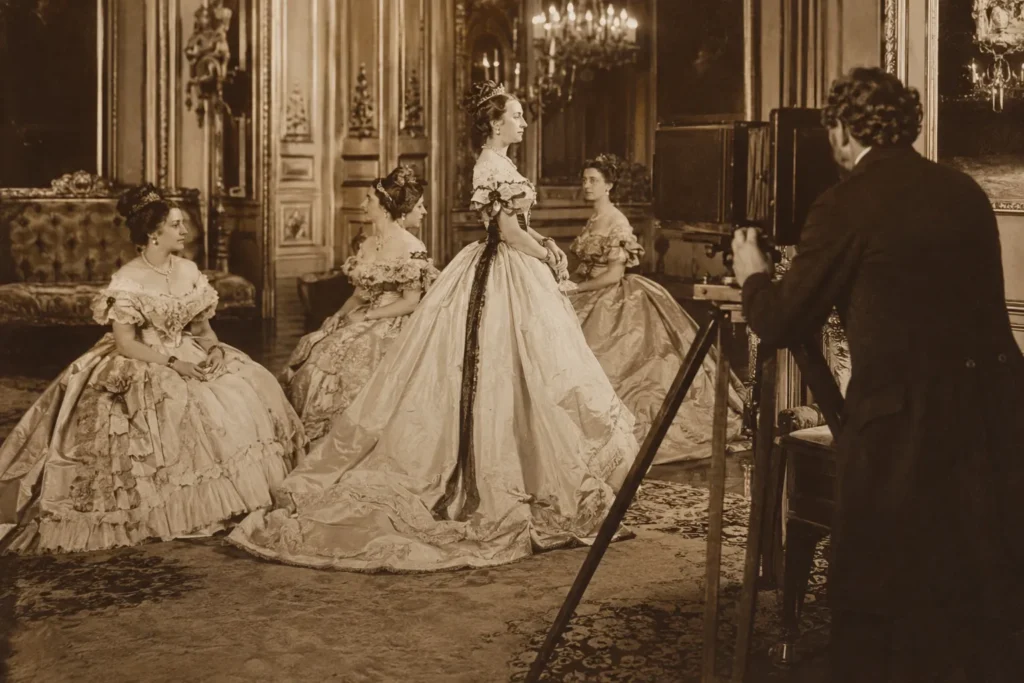
1850s: Origins in the French Court
The roots of fashion photography trace back to the French royal court, where photographers began documenting elaborate garments worn by aristocrats. These early images were less about art and more about record-keeping — a visual archive of fashion at the time
Early 20th Century: The Rise of Magazines
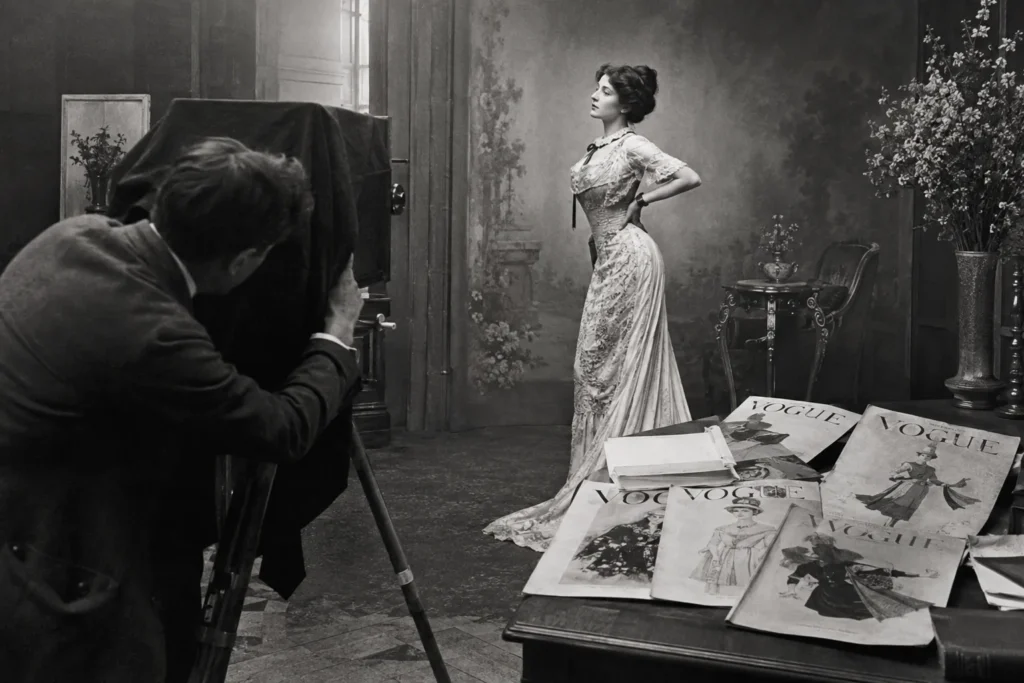
As publications like Vogue and Harper’s Bazaar grew, fashion photography found its true home. Magazines needed compelling images to sell issues and showcase the latest designer collections, and photographers rose to the challenge, turning fashion imagery into an art form in its own right.
1950s–1960s: Fluid and Spontaneous Aesthetics
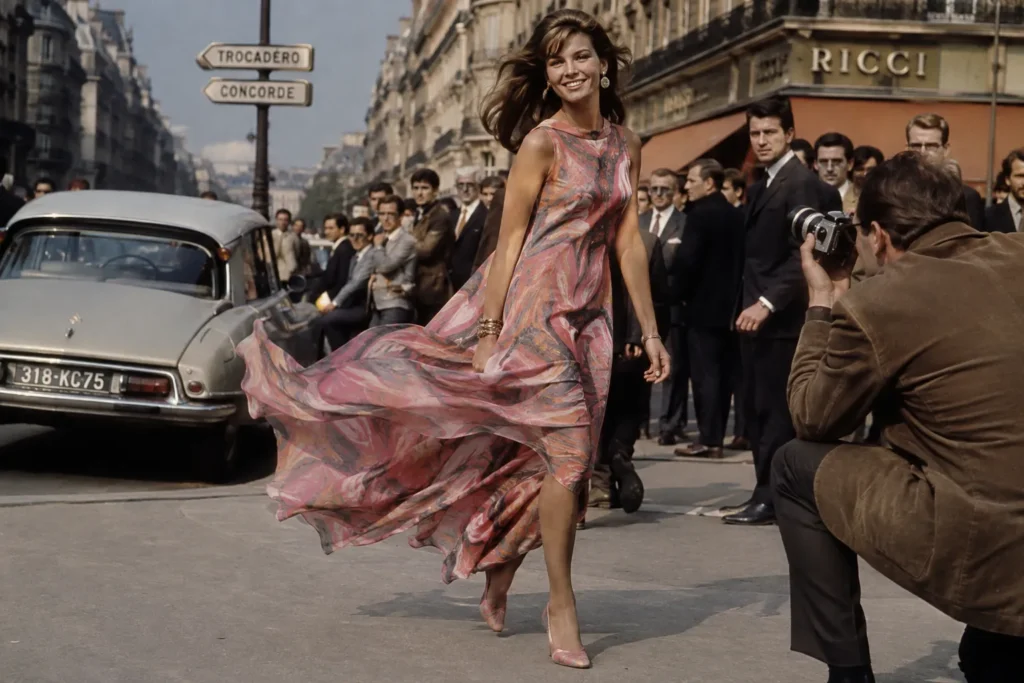
Mid-century fashion photography broke away from stiff, formal poses. Photographers began capturing movement, candid expression, and a more relaxed energy, reflecting the cultural shift toward freedom and individuality.
1970s: Feminism and Female-Oriented Narratives
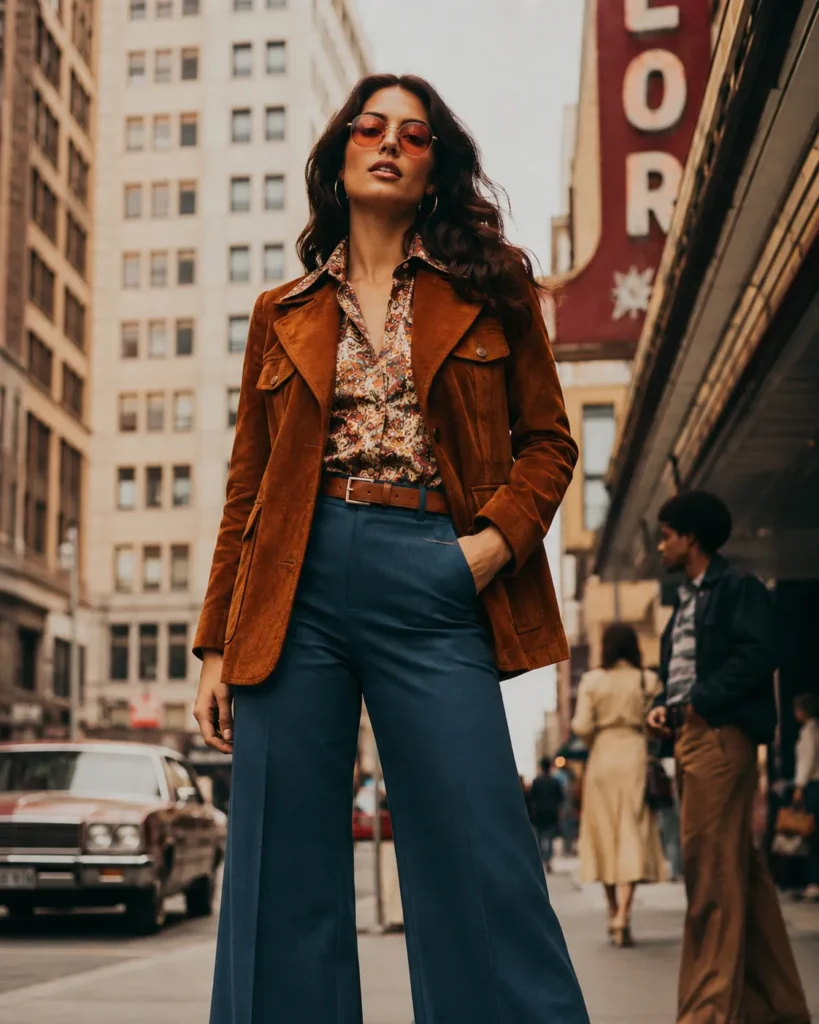
The 1970s brought a new lens to fashion imagery. Photographers started creating work that reflected women’s independence and changing social roles, moving away from purely decorative depictions and toward stronger, more assertive storytelling.
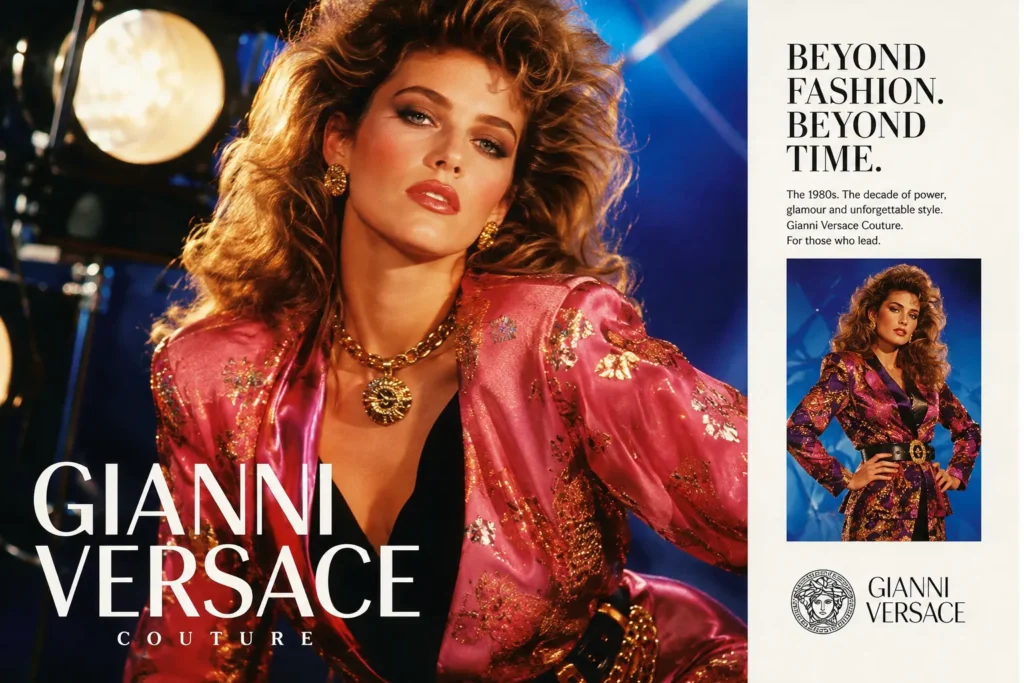
1980s: Advertising and International Expansion
The 1980s turned fashion photography into a global advertising powerhouse. Brands invested heavily in bold, glossy campaigns, and photographers gained celebrity status of their own, shooting international campaigns that shaped pop culture.
Contemporary Era: Creative Freedom and Social Controversy
Today’s fashion photography enjoys more creative freedom than ever, thanks to digital tools and social media. At the same time, it faces real scrutiny — conversations around body image, diversity, and authenticity now shape how photographers and brands approach every shoot.
Knowing this history helps you see fashion photography as more than pretty pictures. Every era left its mark on how photographers light, pose, and frame their subjects today.
Types of Fashion Photography
Not all fashion photography looks or works the same way. Different types serve different purposes, and each demands its own creative approach.
Editorial Photography
Editorial fashion photography tells a story for magazines and online publications. It leans heavily on mood, concept, and artistic vision rather than direct product promotion. Think of the multi-page spreads you see in fashion magazines — they’re designed to entertain and inspire, not just sell.
Commercial Photography
Commercial fashion photography exists to sell. It’s product-focused, clean, and built for advertising campaigns, website banners, and print ads. The goal here is clarity and appeal — the viewer should immediately understand what’s being sold and want it.
Runway Photography
Runway photography documents garments in motion during fashion shows. Photographers capture models walking, fabric flowing, and the designer’s full collection as it was meant to be seen — moving, not static.
Street Style Photography
Street photography captures real people wearing real outfits in everyday settings. It has grown massively with the rise of fashion blogging and social media, prized for its authenticity and urban aesthetic over polished studio perfection.
Catalogue Photography
Catalogue photography prioritizes clarity above all else. It’s the standard for e-commerce, where shoppers need to see exactly how a garment fits, what color it is, and how the fabric moves — with minimal artistic distraction.
High Fashion Photography
High fashion photography sits at the most avant-garde end of the spectrum. It often features dramatic concepts, elaborate sets, and unique locations, pushing creative boundaries to make a bold artistic statement rather than a straightforward sale.
Understanding these types of fashion photography helps you choose the right style for your goals, whether you’re building a portfolio or briefing a photographer for your brand.
Core Elements of a Fashion Photography Shoot
Every strong fashion photograph relies on a handful of core elements working together.
Model selection matters because the model represents the brand’s personality. The right casting choice can make or break how the final image feels.
Wardrobe and styling require careful attention to garment detail — how fabric falls, how accessories complement the outfit, and how everything reads on camera.
Lighting and composition shape the mood and direct the viewer’s focus. Soft, diffused light creates an entirely different feeling than hard, dramatic shadows.
Location sets the tone of the entire shoot. A controlled studio gives the photographer full command over light and background, while an outdoor or environmental location adds texture, story, and unpredictability.
When these four elements align, a fashion photograph moves beyond “nice picture” into something that genuinely communicates a brand’s message.
How a Fashion Photography Shoot Actually Works
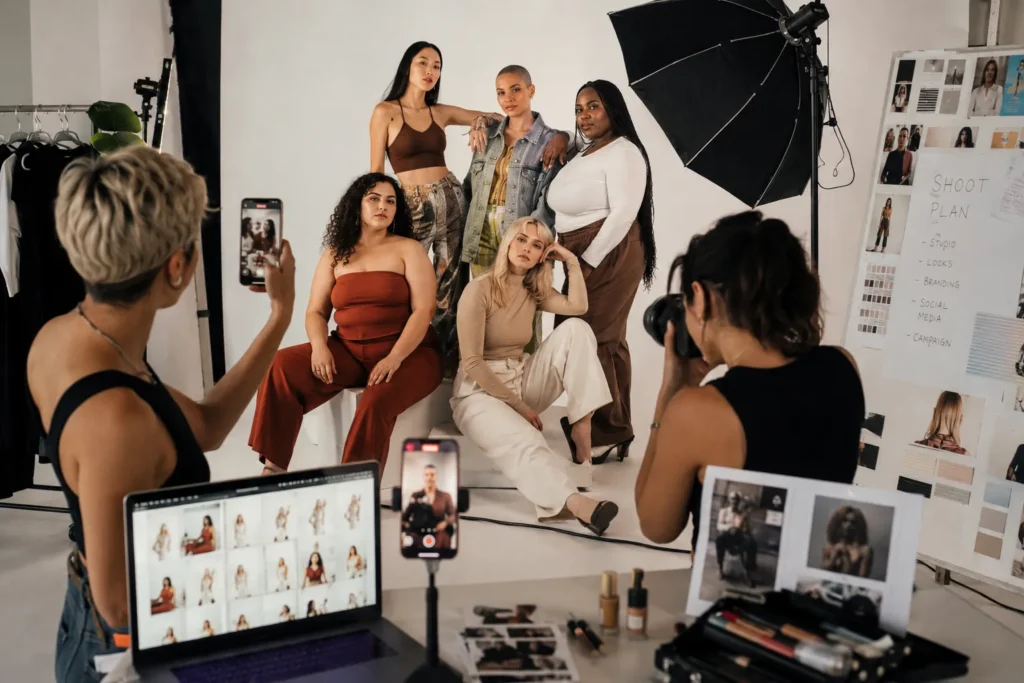
Behind every polished fashion image lies a structured workflow. Here’s how a typical shoot comes together, from the first idea to the final edit.
Research and Planning
Every successful shoot starts long before the camera comes out. Photographers build moodboards and shot lists to map out the visual direction, and they often draw inspiration from magazines and existing campaigns to refine their concept. This planning stage keeps everyone — the photographer, model, and stylist — aligned on the same creative vision.
Production Tips
On shoot day, the technical and interpersonal skills both matter. Breaking the ice with models helps them relax, which shows in more natural, confident poses. Photographers also rely on core technical settings — aperture, ISO, and shutter speed — to control exposure and depth of field for the desired look. Taking test shots before the real shoot begins lets the photographer check lighting, framing, and settings before committing to the final images.
Post-Production
The shoot doesn’t end when the camera stops clicking. Photographers select the best frames in Adobe Lightroom, sorting through hundreds of shots to find the ones that truly work. From there, they move into Adobe Photoshop for retouching — refining skin tones, adjusting colors, and polishing the final image until it’s ready for publication.
This workflow — plan, shoot, edit — repeats across every genre of fashion photography, whether it’s a small catalogue shoot or a major editorial campaign.
How to Become a Fashion Photographer
If you’re serious about turning fashion photography into a career, here’s what the path typically looks like.
Essential Skills
Success in this field comes down to a mix of creativity and technical precision. You need a strong creative eye for composition, color, and storytelling, along with a solid technical grasp of your camera, lighting equipment, and editing software.
Academic Paths
Many photographers build their foundation through intensive courses and diploma programs. These programs teach both the technical side of photography and the business side of working in fashion, giving you structured feedback as you develop your style.
Job Opportunities
Once you have the skills, opportunities open up across magazines, fashion brands, and creative agencies. Some photographers work in-house for a brand, while others freelance across editorial, commercial, and e-commerce projects.
Building a Portfolio
A strong portfolio matters more than almost anything else in this industry. Aspiring photographers often build theirs through styled test shoots — collaborating with stylists, models, and makeup artists on passion projects that showcase their range and creative voice, even before paid work comes in.
Final Thoughts
Fashion photography sits at the crossroads of art and commerce, creativity and technical skill, history and constant reinvention. Whether you’re drawn to the moody storytelling of editorial work, the crisp clarity of catalogue shoots, or the boundary-pushing drama of high fashion, there’s a lane in this field for your creative voice.
If you’re ready to take the next step, consider booking a free portfolio review or joining an introductory photography course to sharpen your skills with expert feedback. You can also grab our free Fashion Shoot Planning Checklist — a simple moodboard, shot list, and gear template to help you plan your very first shoot with confidence.
