Choosing the right camera and lens is important in fashion photography. Your equipment affects image detail, perspective, background blur, and how easily you can capture moving subjects.
However, you do not need the most expensive camera to create professional-looking images. The right choice depends on your shooting style, budget, and the type of fashion photography you want to do.
A studio photographer may benefit from a versatile 24–70mm lens. A portrait photographer may prefer an 85mm prime. For runway photography, a 70–200mm lens can provide the reach needed to photograph models from a distance.
In this guide, we will look at the best cameras and lenses for fashion photography. We will also explain which equipment works best for portraits, studio shoots, editorial photography, street fashion, and runway photography.
Best Cameras for Fashion Photography
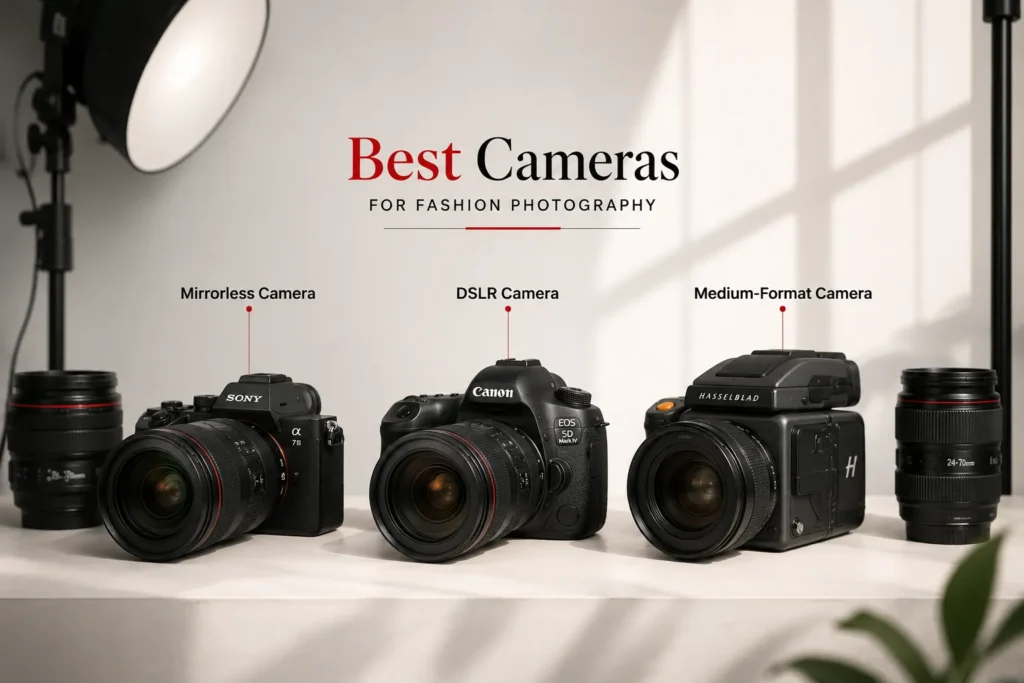
There are three main camera categories to consider: mirrorless, DSLR, and medium-format cameras. Each offers different advantages.
Best Mirrorless Cameras
Mirrorless cameras are popular for fashion photography because they combine high image quality, advanced autofocus, compact designs, and strong video capabilities.
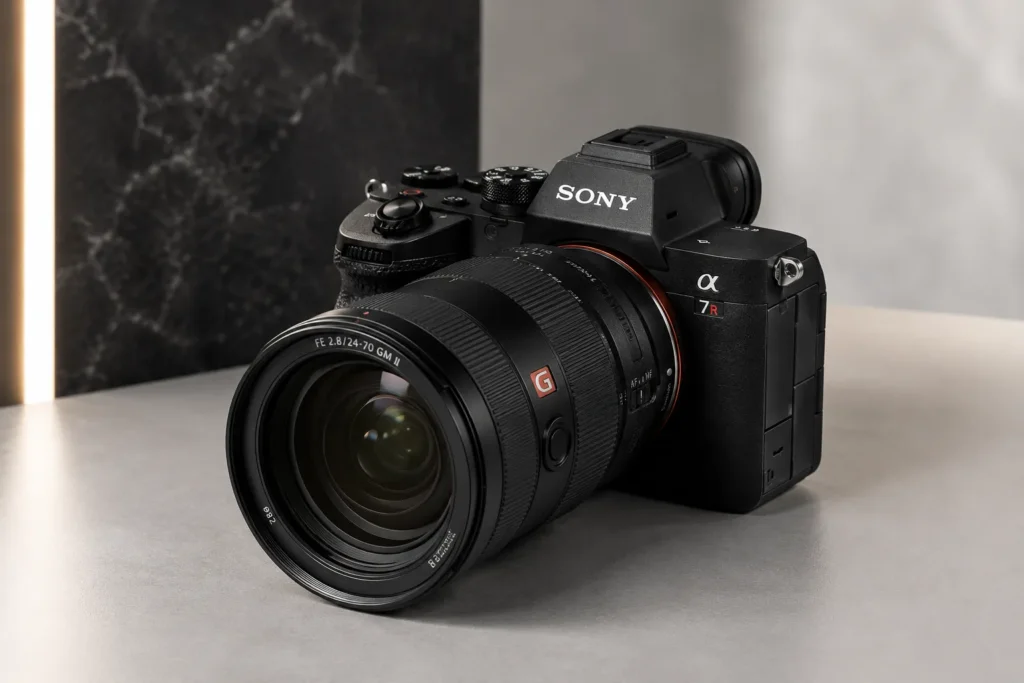
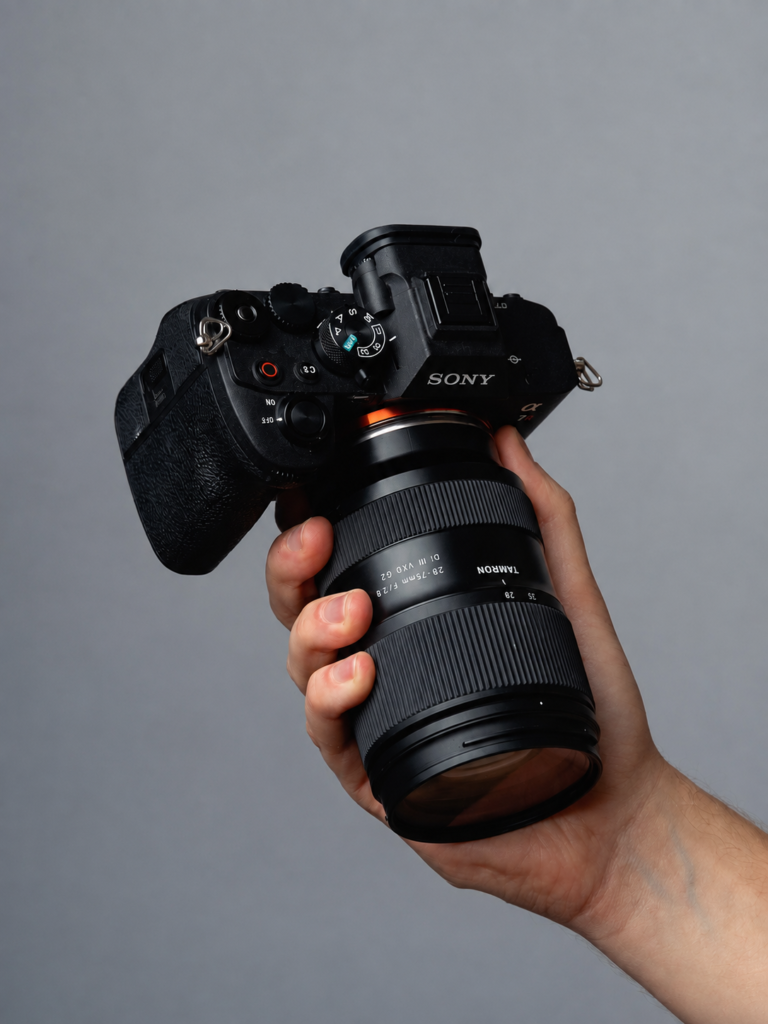
Sony α7R V, Best for High-Resolution Fashion Photography
The Sony α7R V is a strong choice when image detail is the priority. Its high-resolution sensor makes it suitable for fashion campaigns, editorial photography, and detailed clothing shots.
It is particularly useful when you need to crop images while retaining plenty of detail.
Best for: Editorial, commercial, and high-resolution fashion photography.
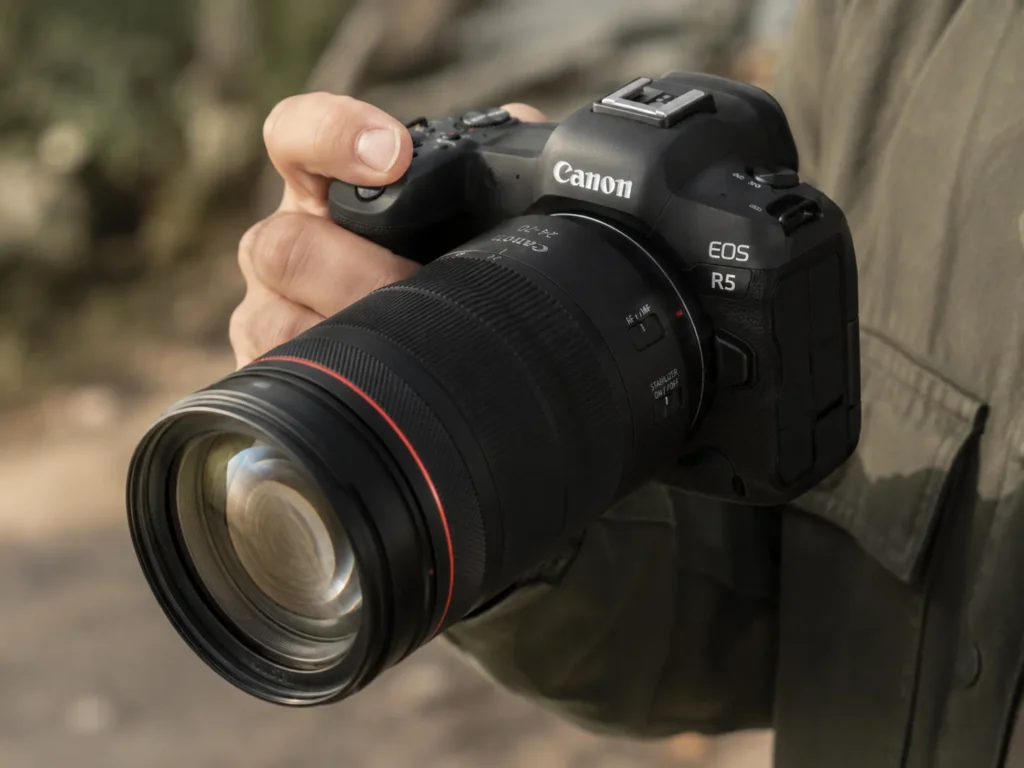
Canon EOS R5 — Best for Photo and Video
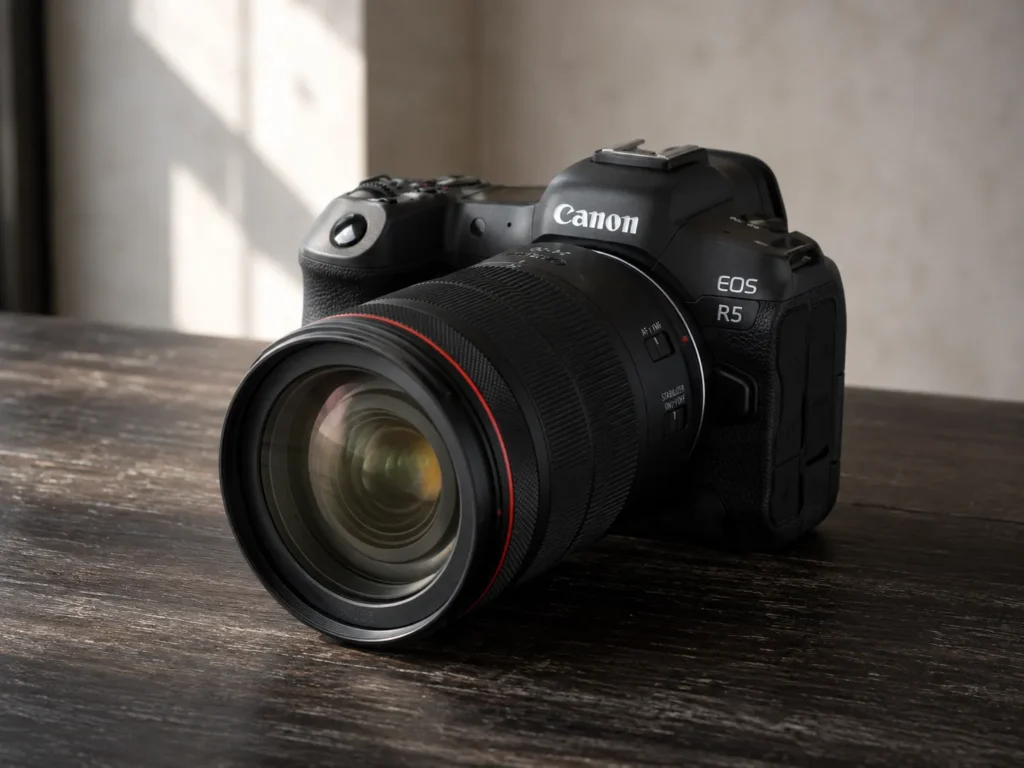
The Canon EOS R5 is a versatile option for photographers who work with both still images and video. Its high resolution and fast autofocus make it suitable for fashion campaigns, studio sessions, and content creation.
Best for: Fashion photographers who also create video content.
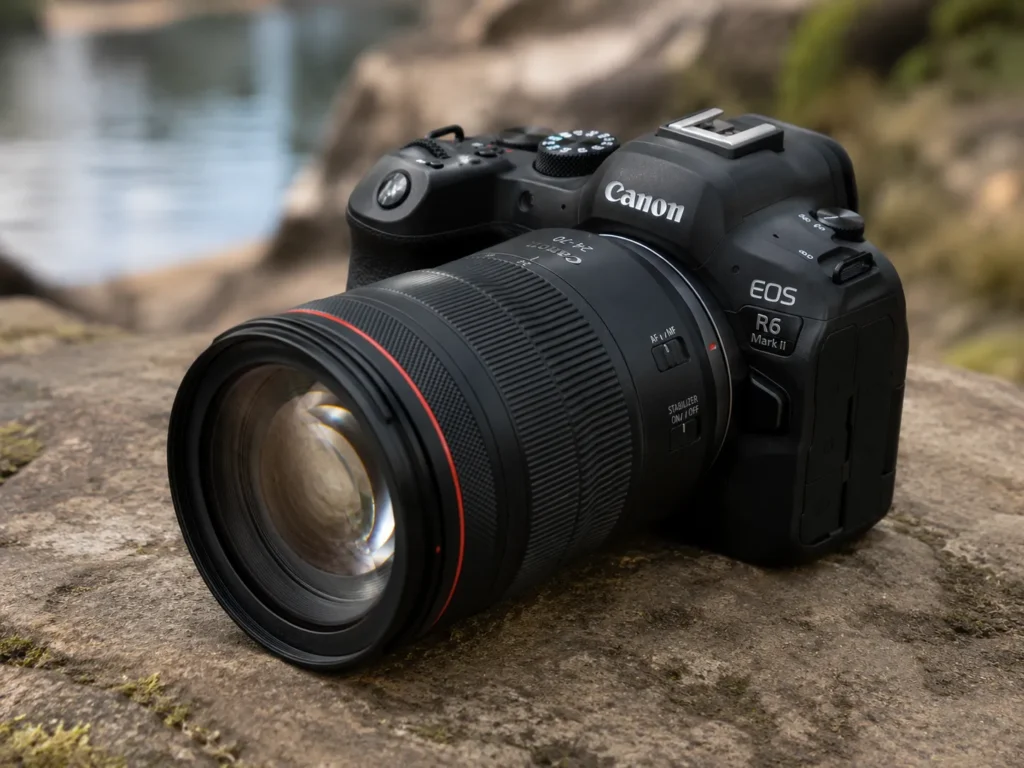
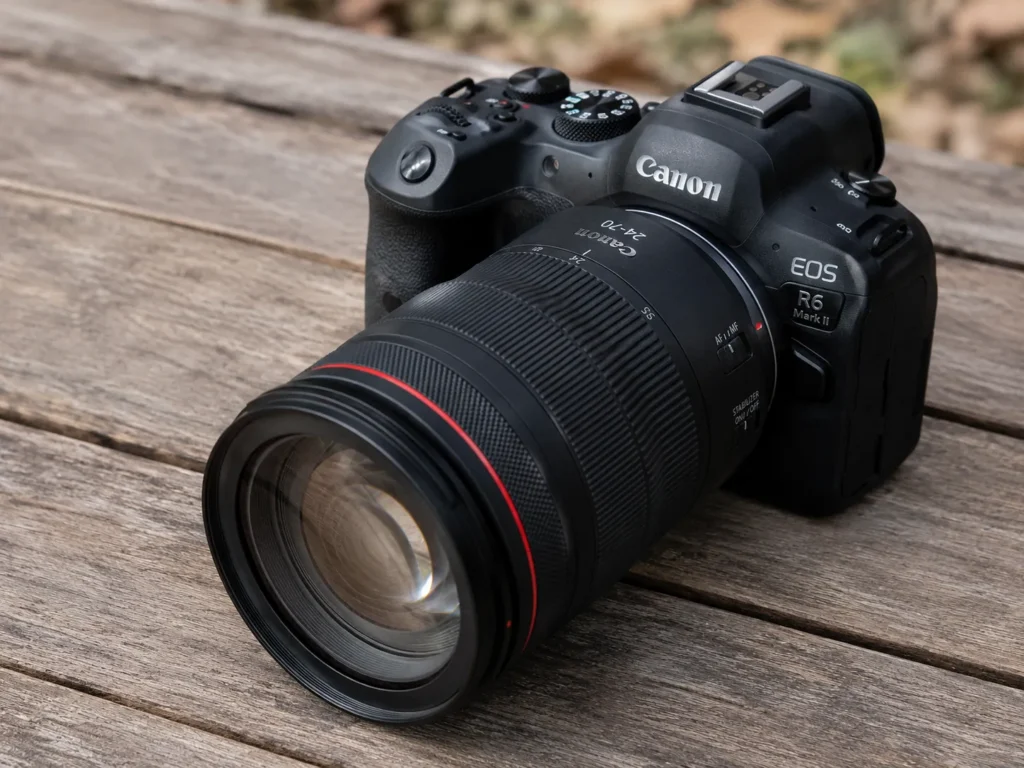
Canon EOS R6 Mark II — Best Versatile Option
The Canon EOS R6 Mark II provides a balance of image quality, autofocus, speed, and low-light performance. It is suitable for photographers who work across different fashion environments.
Best for: Versatile fashion and editorial photography.
Nikon Z8 — Best Professional Hybrid
The Nikon Z8 combines high-resolution image capture with professional photo and video capabilities. Its autofocus and speed make it suitable for demanding fashion shoots.
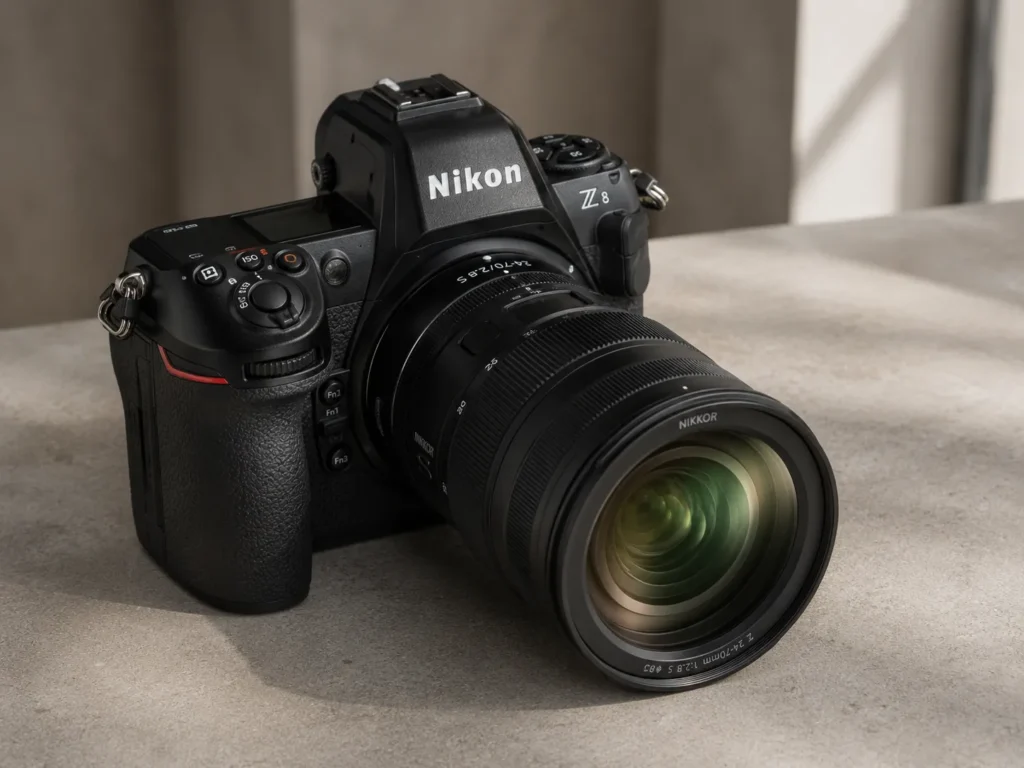
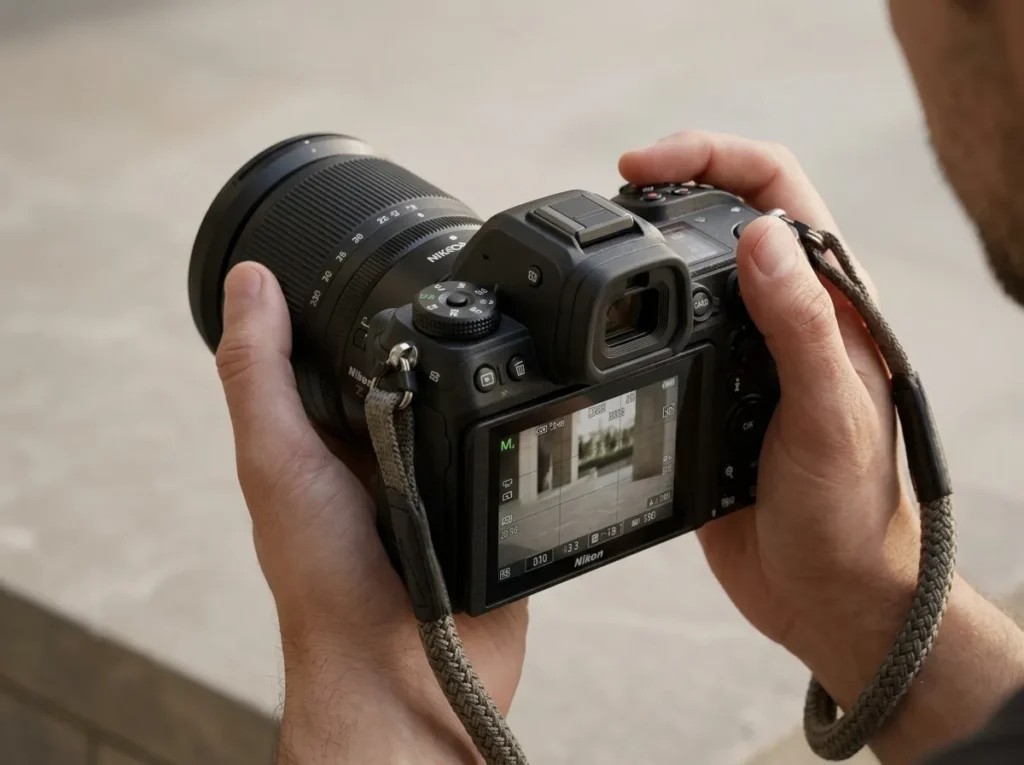
Best for: Professional fashion and hybrid photo-video work.
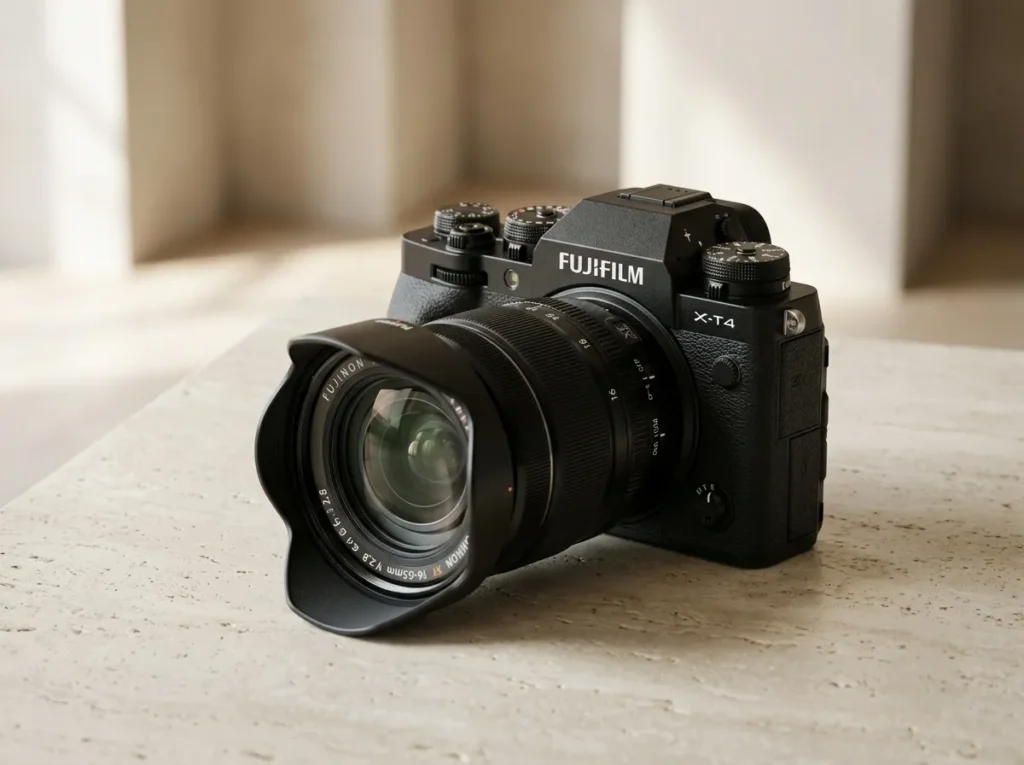
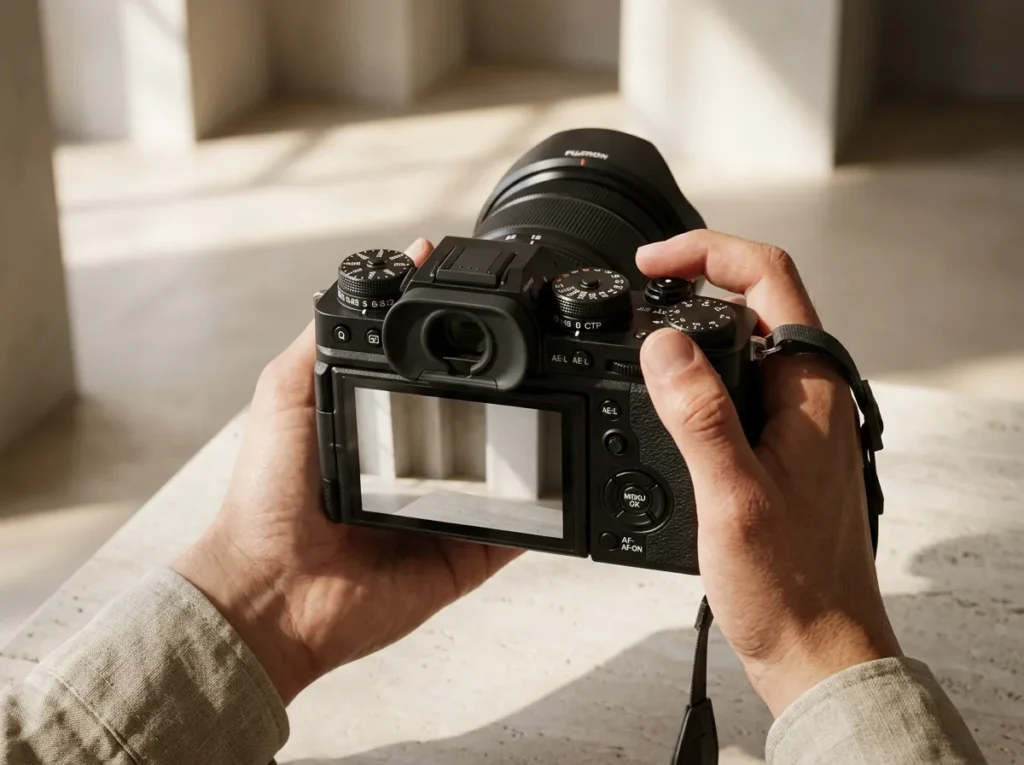
Fujifilm X-T4 — Best for Street and Lifestyle Fashion
The Fujifilm X-T4 is a compact APS-C option for photographers who prefer shooting fashion in real-world environments. Its smaller system can be convenient for street and lifestyle photography.
Best for: Street fashion, lifestyle photography, and travel shoots.
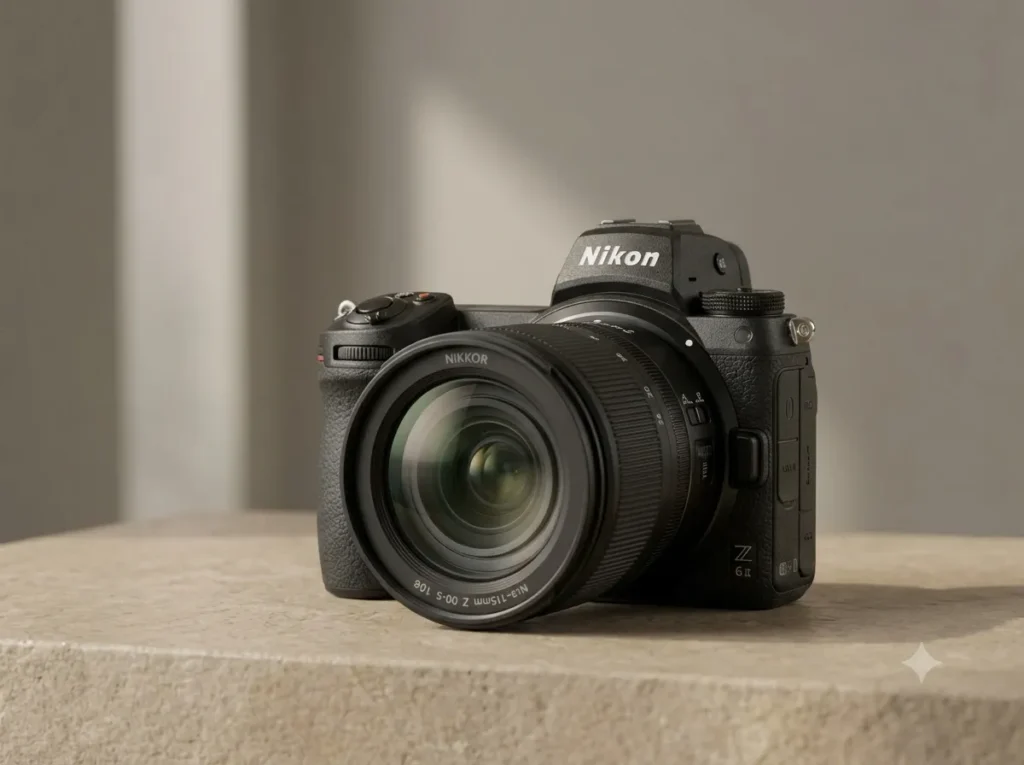
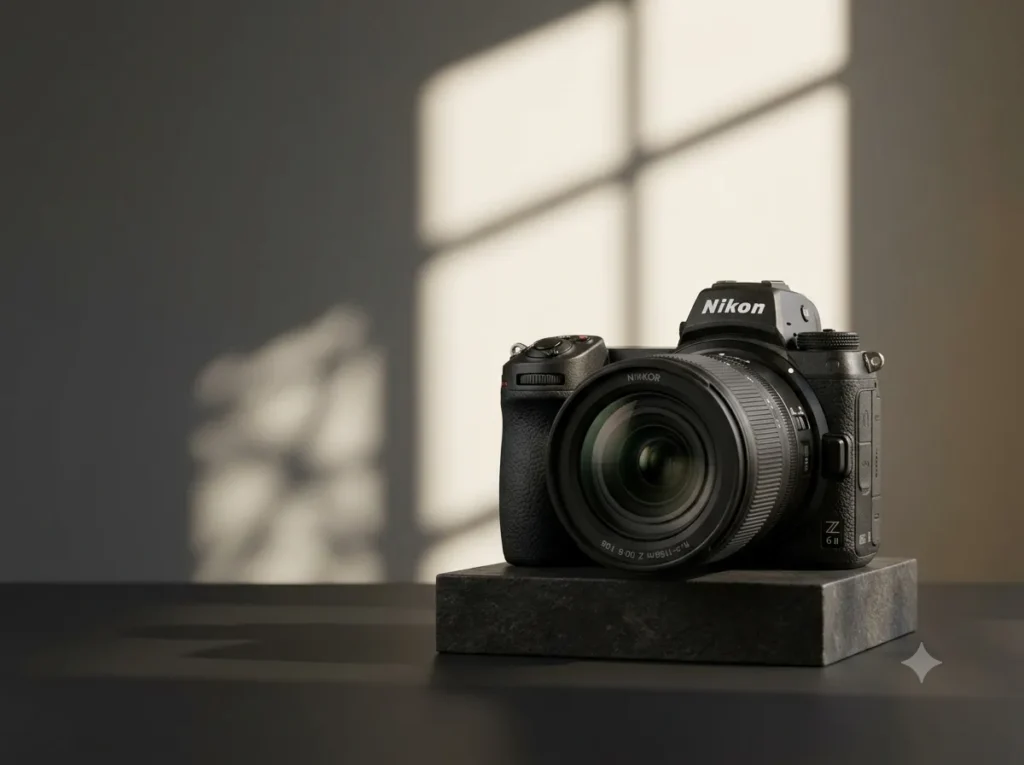
Nikon Z6 II — Good for Low-Light Fashion Photography
The Nikon Z6 II is suitable for situations where lighting is less predictable. It can be useful for indoor events, evening shoots, and available-light fashion photography.
Best for: Indoor and low-light fashion photography.
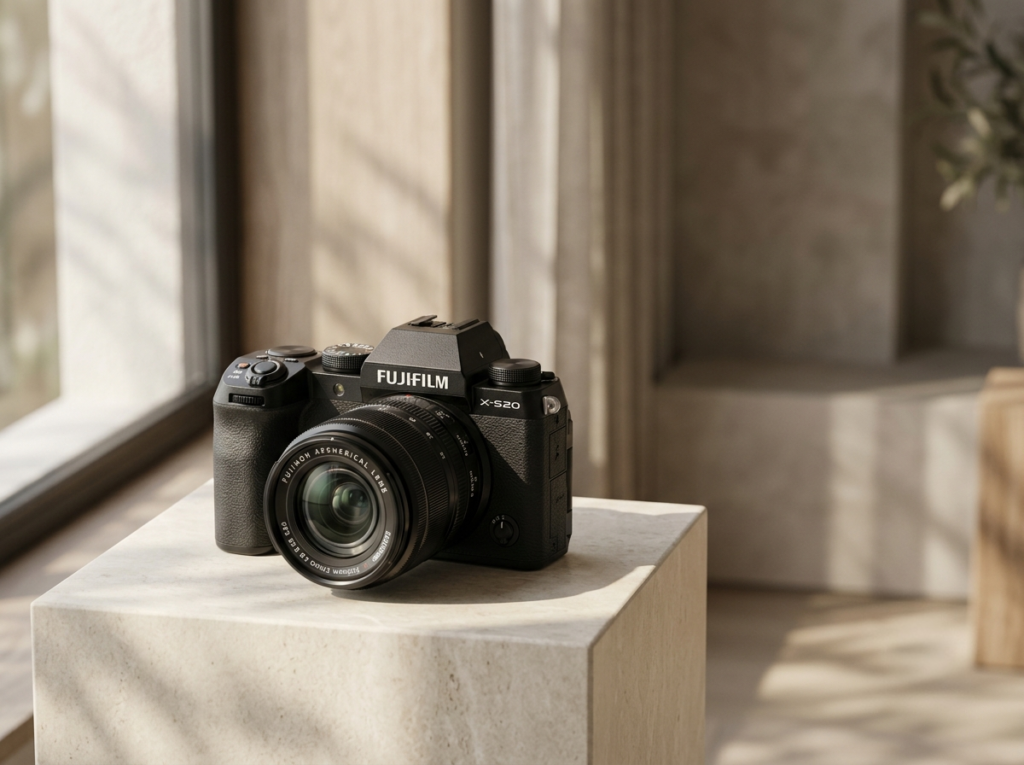
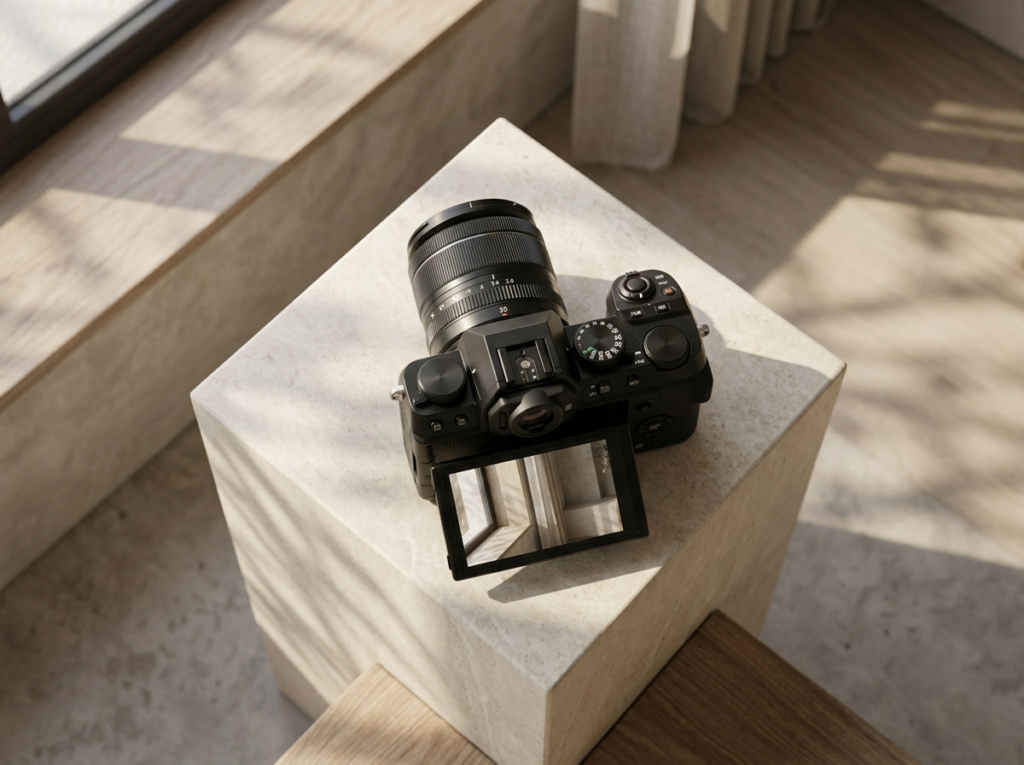
Fujifilm X-S20 — Good Value Option
The Fujifilm X-S20 is a practical choice for beginners and content creators who want a capable camera without immediately investing in a high-end professional system.
Best for: Beginners, content creators, and budget-conscious photographers.
Best DSLR Cameras for Fashion Photography
DSLR cameras remain useful for photographers who prefer optical viewfinders, traditional handling, and established lens systems.
Nikon D850 — Best for Professional Work
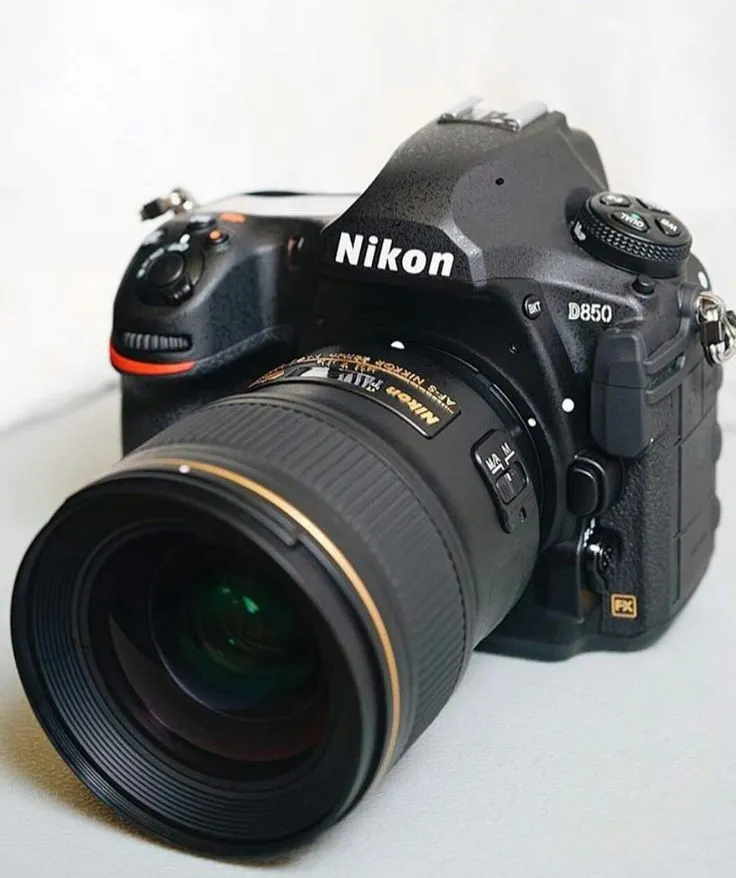
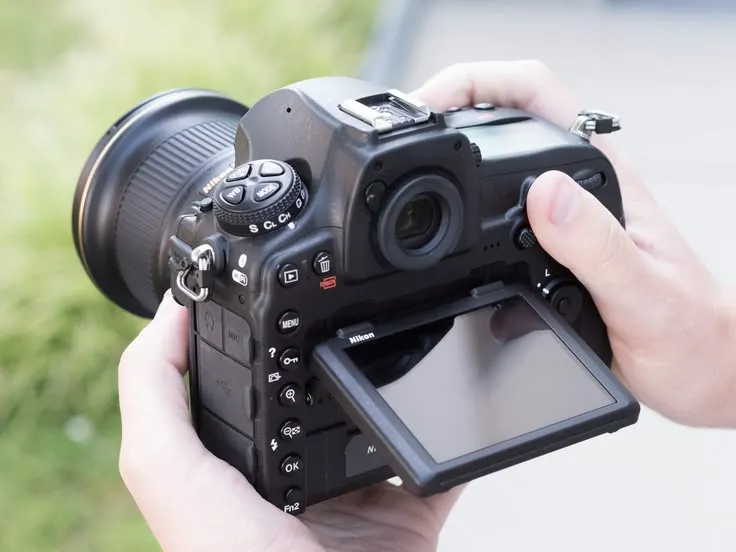
The Nikon D850 is known for its high-resolution images and strong overall performance. It can work particularly well for studio and editorial photography where image detail matters.
Best for: Professional studio and editorial work.
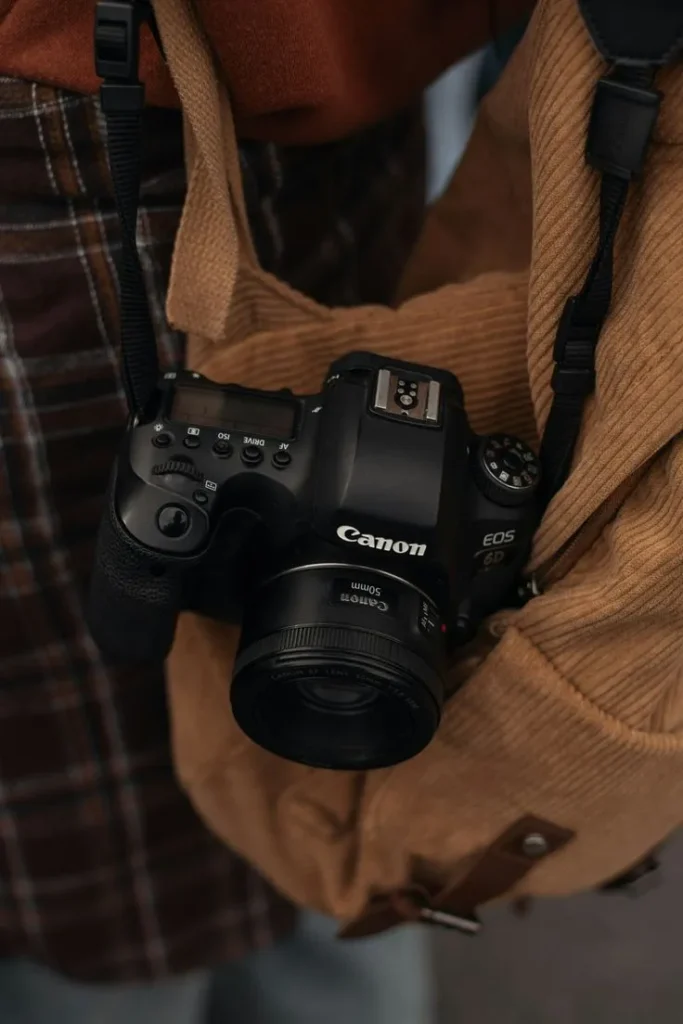
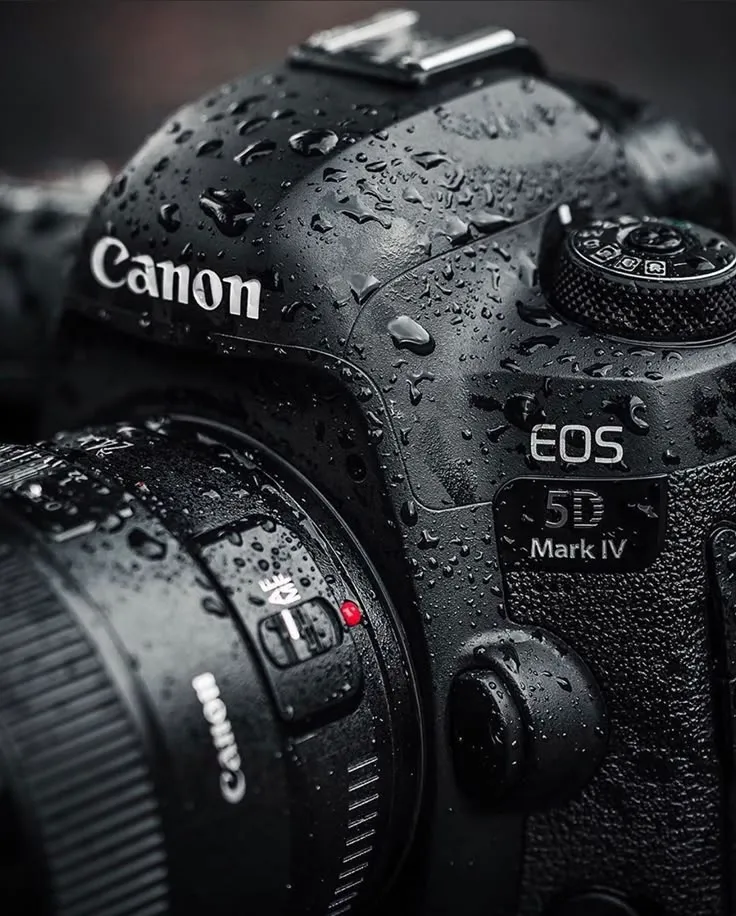
Canon 5D Mark IV — Best for Editorial Photography
The Canon 5D Mark IV remains a capable choice for photographers already using the Canon DSLR system. It is suitable for editorial and commercial photography.
Best for: Editorial and commercial work.
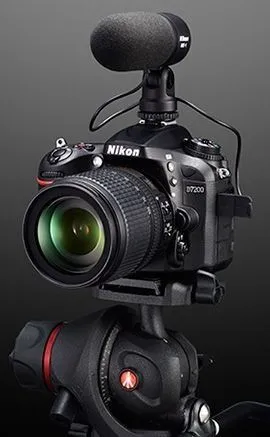
Nikon D7100 — Best for Movement
The Nikon D7100 can be useful for photographers working with moving subjects, particularly within an APS-C system.
Best for: Action-oriented fashion photography.
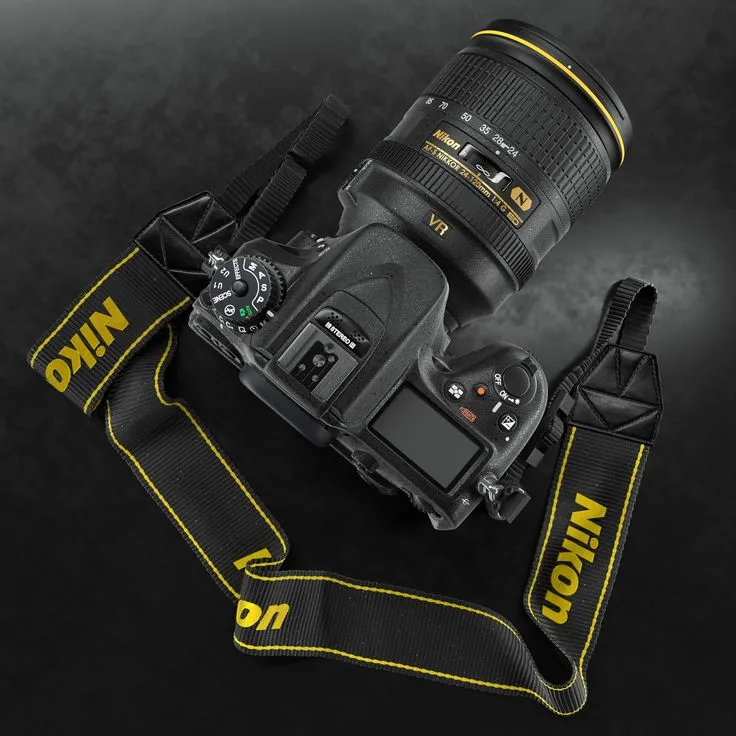
Canon EOS Rebel T7 — Best Budget Option
The Canon EOS Rebel T7 is aimed at beginners learning the fundamentals of photography. It can be a starting point for learning composition, exposure, lenses, and lighting.
Best for: Beginners and budget-conscious photographers.
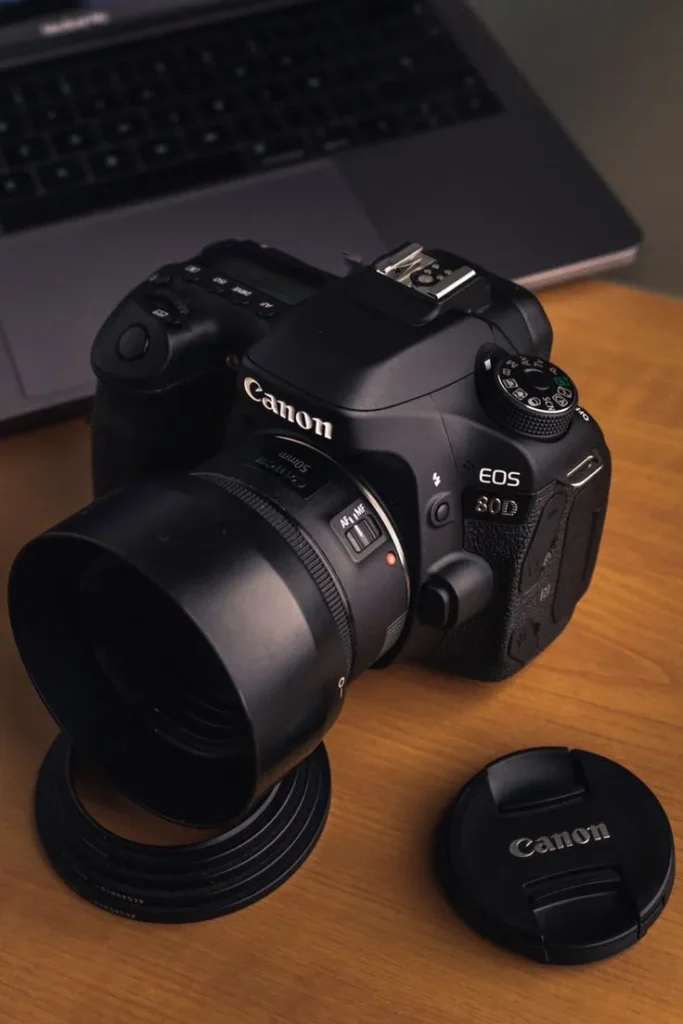
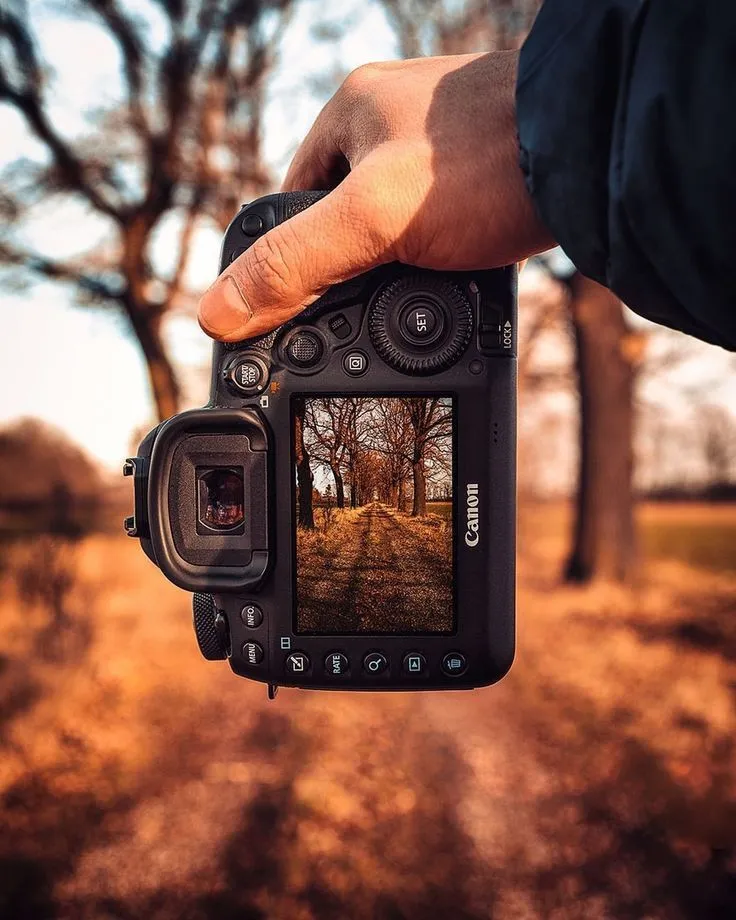
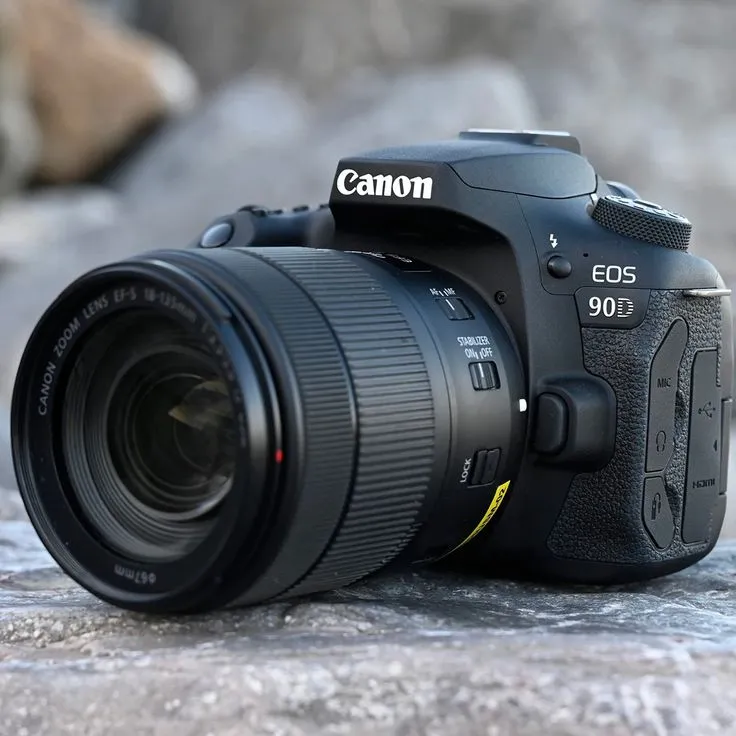
Canon EOS 90D — Best APS-C Balance
The Canon EOS 90D offers a balance of resolution and versatility in an APS-C DSLR body.
Best for: Photographers looking for a versatile APS-C setup.
Medium-Format and Specialty Cameras
Medium-format cameras are designed for photographers who prioritize exceptional image quality and detailed rendering. They are more specialized and generally cost more than mainstream camera systems.
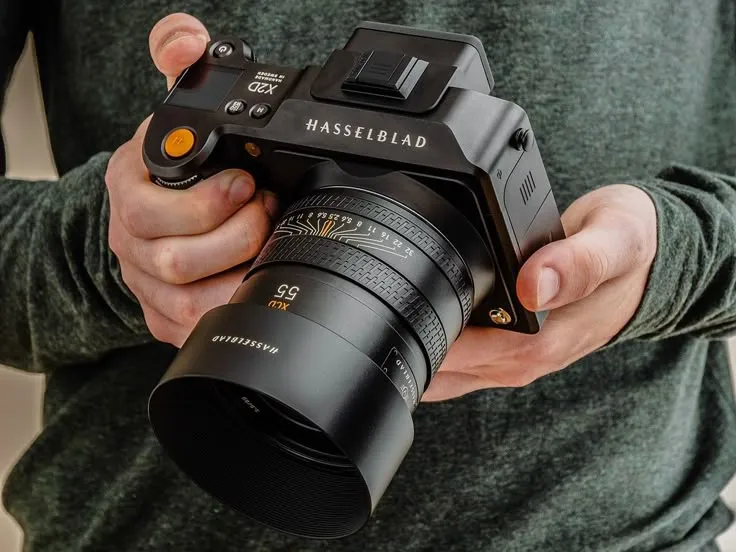
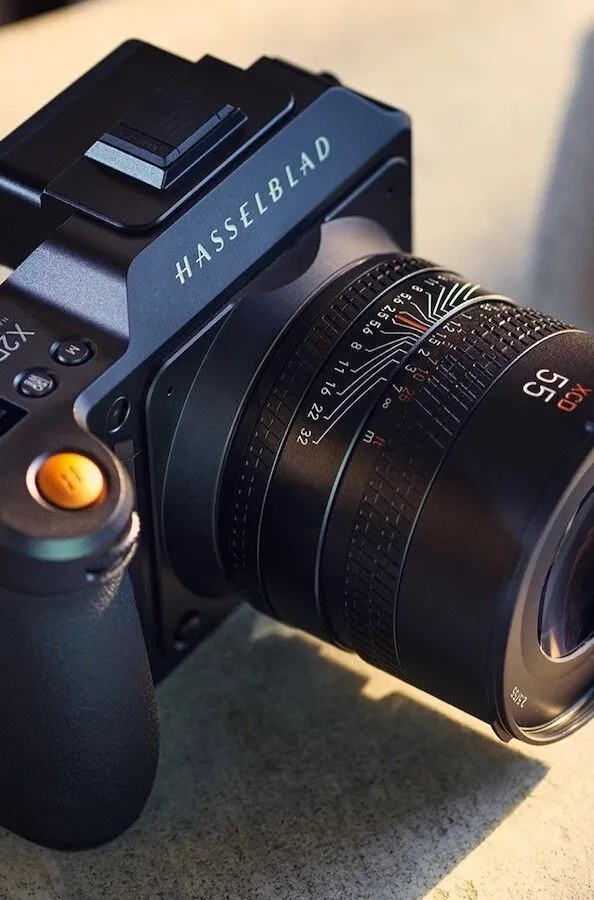
Hasselblad X2D 100C — Best for High-End Image Quality
The Hasselblad X2D 100C is designed for detailed commercial and fashion photography. It can be attractive for luxury campaigns and high-end editorial work.
Best for: Luxury fashion and commercial campaigns.
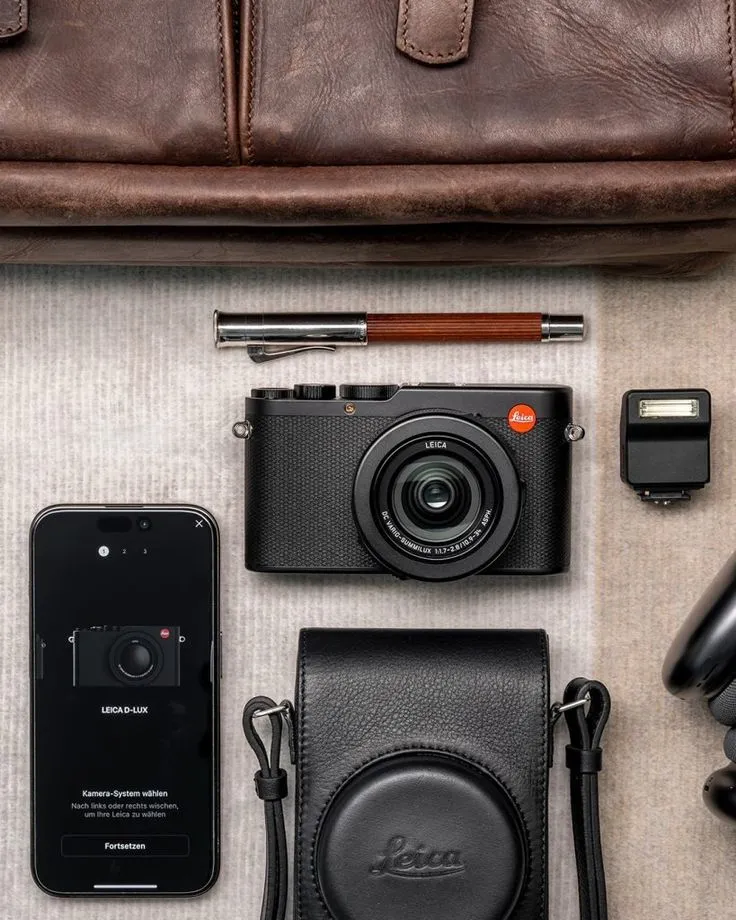
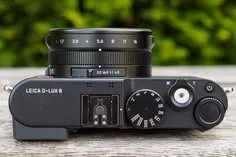
Leica D-Lux 8 — Best Compact Option
The Leica D-Lux 8 is a compact option for photographers who value portability. It can be useful for street fashion, lifestyle images, and behind-the-scenes photography.
Best for: Compact fashion and lifestyle photography.
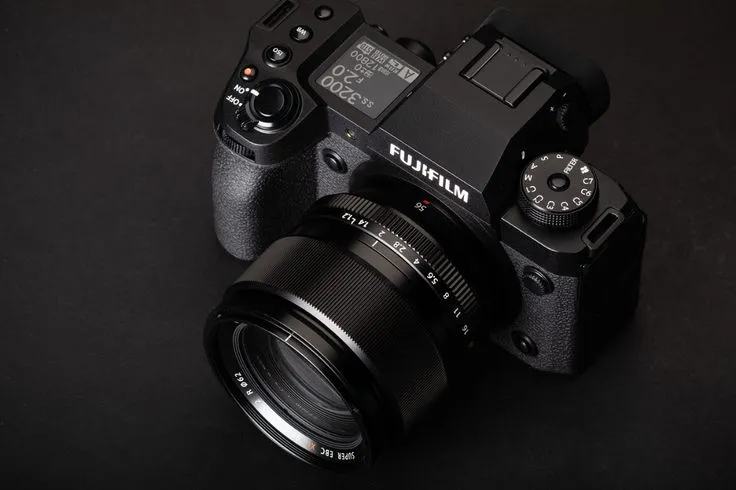
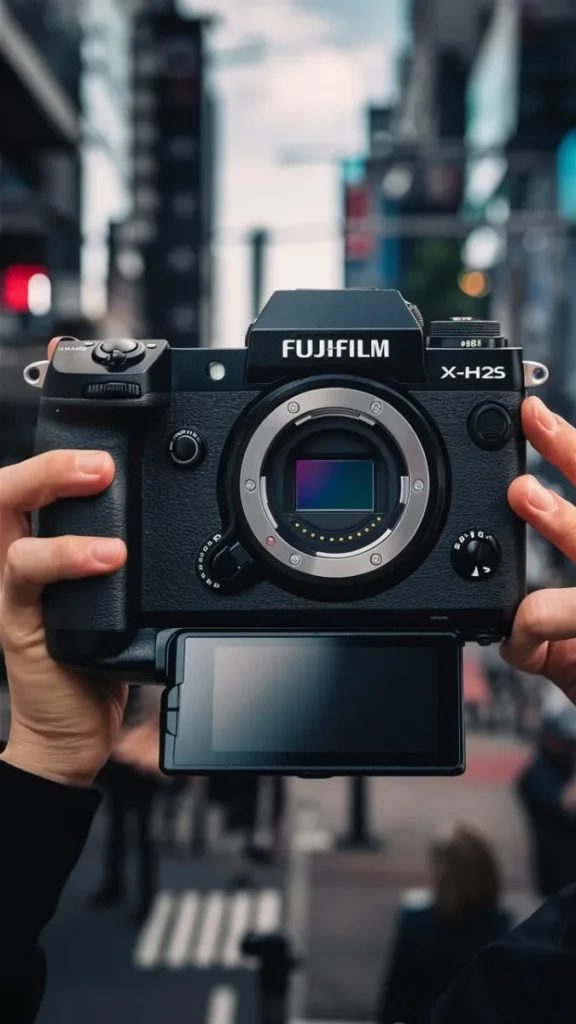
Fujifilm X-H2 — Best for High-Resolution APS-C Photography
The Fujifilm X-H2 offers high-resolution image capture in an APS-C system. It can suit photographers who want detailed images without moving to a larger medium-format setup.
Best for: High-resolution fashion and commercial photography.
Recommended Lenses for Fashion Photography
The lens you choose affects perspective, composition, background blur, and the distance between you and the model.
Prime lenses offer a fixed focal length and often provide wide apertures. Zoom lenses offer more flexibility when you need to change framing quickly.
Top Prime Lenses
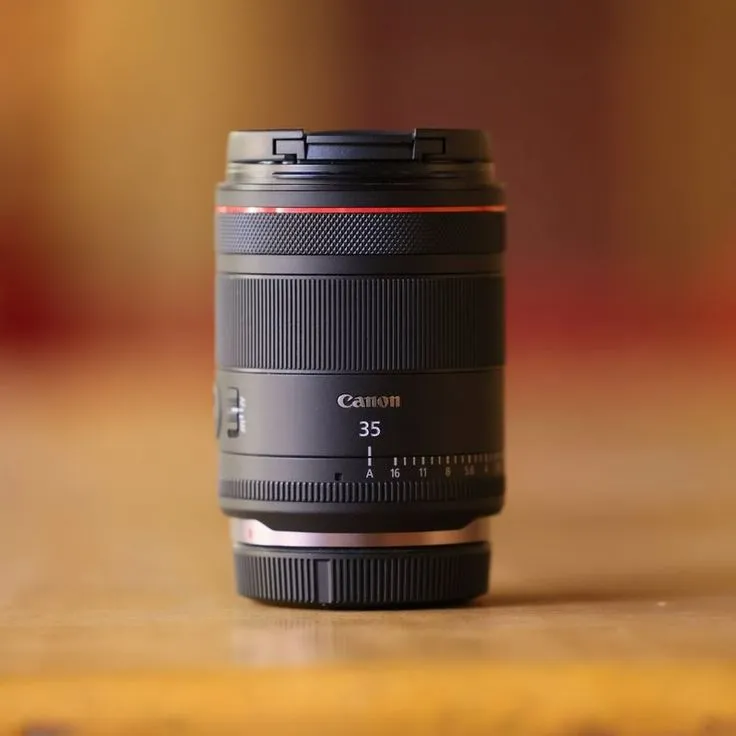
35mm — Best for Environmental Fashion
A 35mm lens is useful when the model and surroundings are both important to the image. It works well for street fashion, lifestyle campaigns, and editorial photography.
Best for: Street fashion, lifestyle shoots, and environmental portraits.
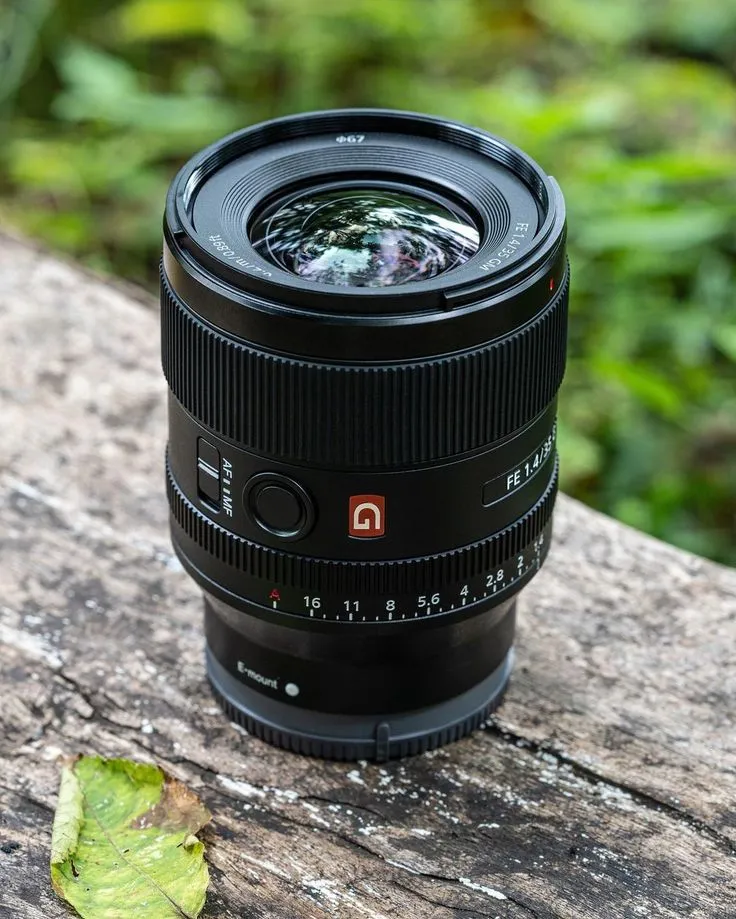
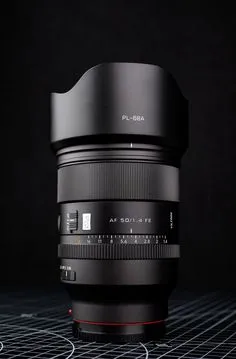
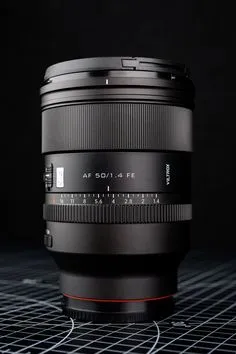
50mm — Best for Versatile Fashion Photography
A 50mm lens provides a natural-looking perspective and can handle different types of fashion photography. It is useful for portraits, editorial work, and everyday shooting.
Best for: Versatile fashion photography and portraits.
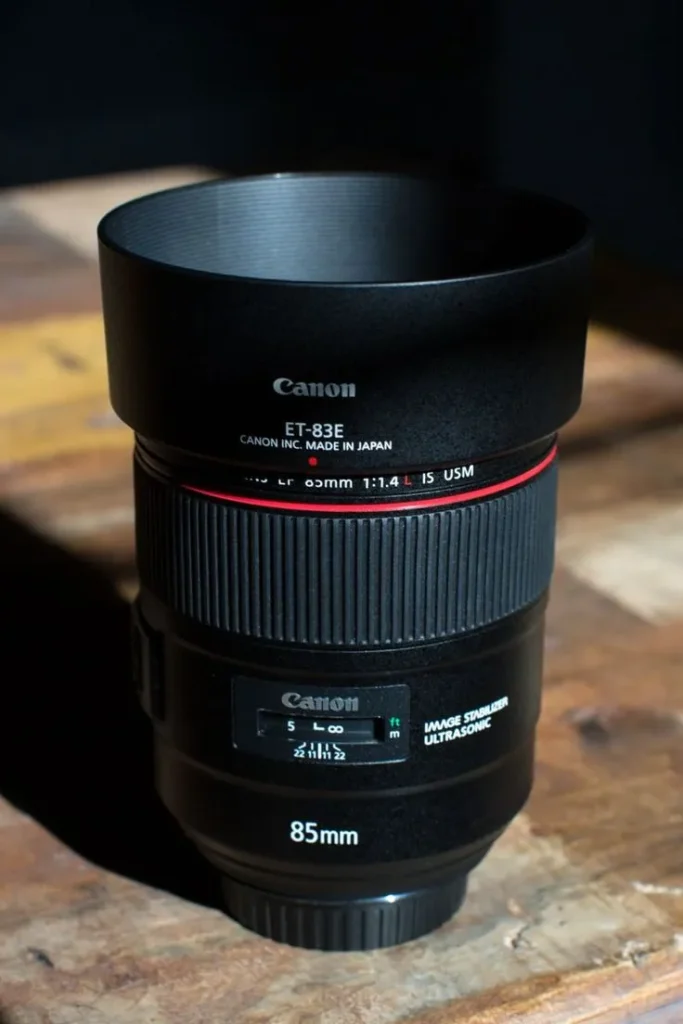
85mm — Best for Fashion Portraits
The 85mm lens is a popular choice for fashion portraits. It provides a flattering perspective and can create strong subject separation with a wide aperture.
Best for: Fashion portraits, beauty photography, and close-up model shots.
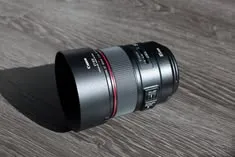
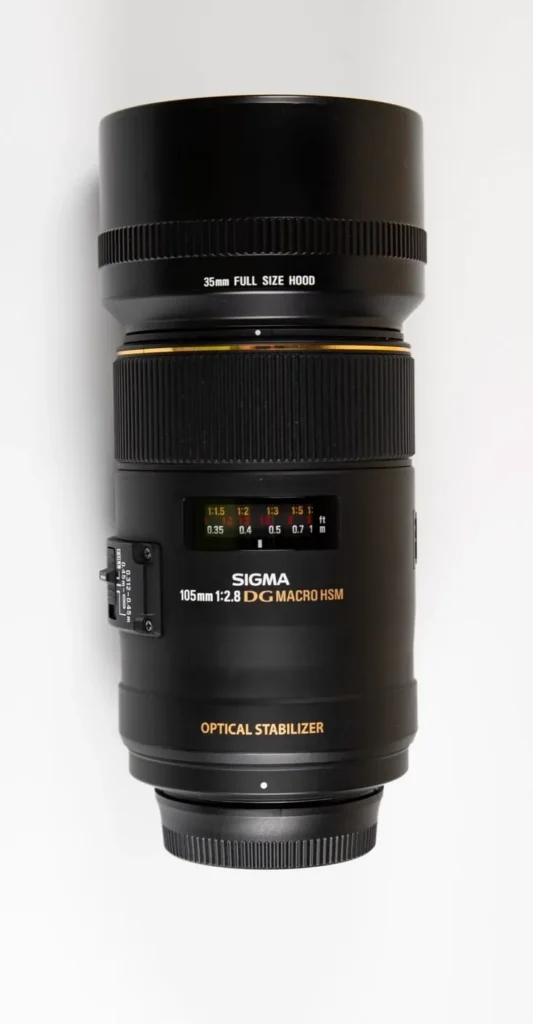
105mm — Best for Beauty and Luxury Fashion
A 105mm lens provides more compression than shorter focal lengths. It can work well for close-up portraits, beauty photography, and detailed shots of makeup or accessories.
Best for: Beauty, luxury fashion, and detailed portraits.
Recommended Zoom Lenses
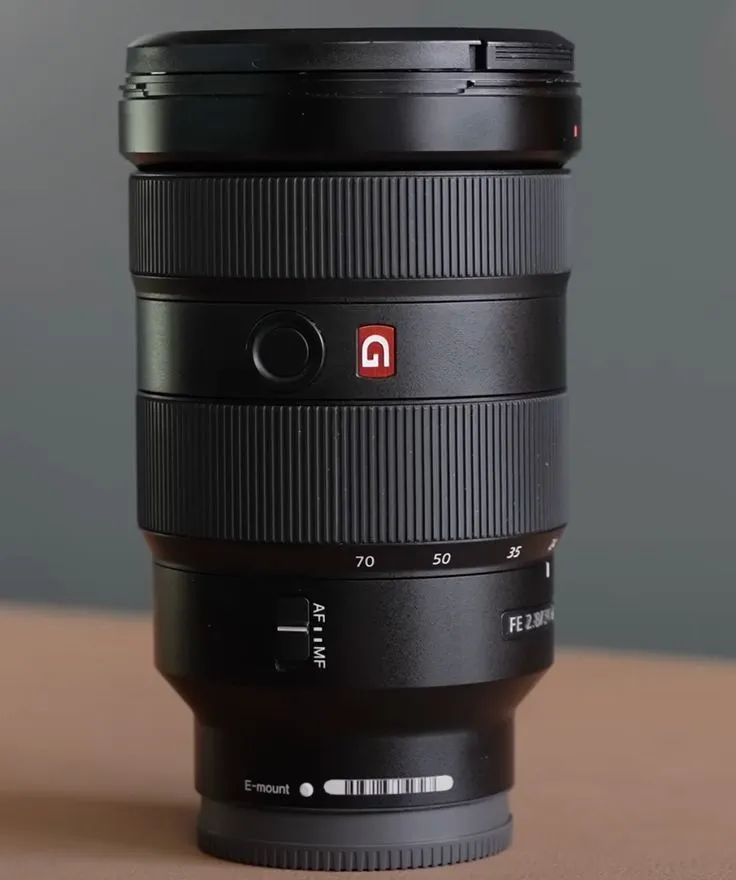
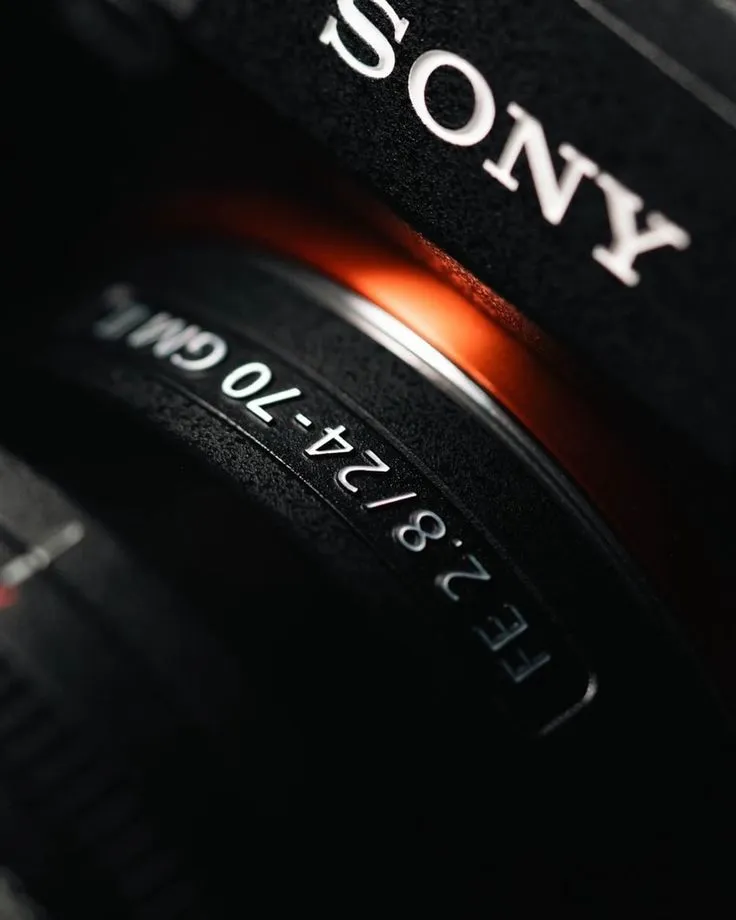
24–70mm — Best for Studio and Editorial Photography
The 24–70mm is one of the most flexible lenses for fashion photography. The wider end works for full-body and environmental images, while the longer end allows tighter compositions.
Best for: Studio, editorial, full-body, and versatile fashion shoots.
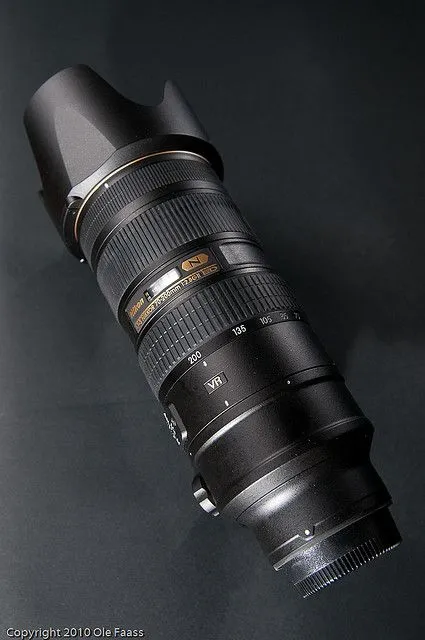
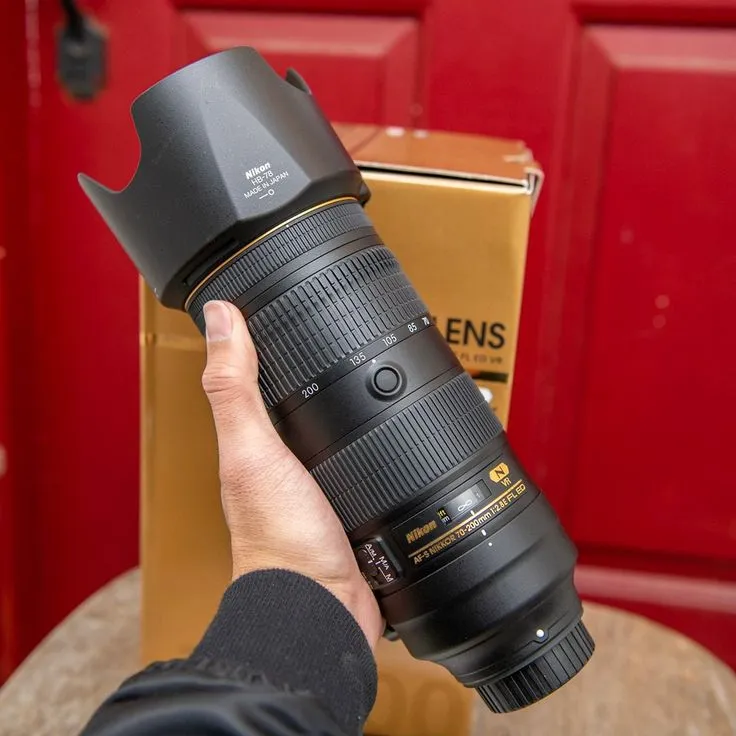
70–200mm — Best for Runway Photography
A 70–200mm lens is useful when photographing models from a distance. This makes it particularly valuable for runway shows and fashion events.
Its longer focal length also provides strong subject separation and compression.
Best for: Runway photography and fashion events.
Best Camera and Lens Combinations for Fashion Photography
Your ideal combination depends on the type of fashion photography you plan to shoot.
| Photography Type | Camera | Lens |
| Beginner fashion | APS-C / Entry-level mirrorless | 50mm |
| Studio fashion | Full-frame mirrorless | 24–70mm |
| Fashion portraits | Full-frame | 85mm |
| Beauty photography | High-resolution camera | 85mm / 105mm |
| Street fashion | Compact mirrorless | 35mm |
| Editorial fashion | Full-frame | 50mm / 85mm |
| Runway photography | Full-frame | 70–200mm |
| Luxury campaigns | Medium format | 85mm / 105mm equivalent |
For beginners, a 50mm prime can be a practical starting point. Portrait photographers may prefer an 85mm, while photographers who need flexibility can choose a 24–70mm.
How to Choose the Right Camera
Before buying a camera, consider more than resolution.
Resolution
Higher resolution can be useful for commercial campaigns, detailed clothing photography, large prints, and cropping. However, resolution alone does not determine image quality. Lighting, lenses, composition, and technique remain important.
Autofocus
Reliable autofocus is especially useful when photographing moving models, runway shows, outdoor shoots, and fast-paced campaigns.
Low-Light Performance
Fashion photography can take place in indoor venues, evening locations, and fashion shows. Good low-light performance can help maintain image quality in these situations.
Sensor Size
The main sensor formats are:
- APS-C: Compact and generally more affordable
- Full-frame: A strong balance of performance and lens options
- Medium format: Designed for exceptional image quality and high-end commercial work
For many photographers, full-frame offers a practical balance between performance and cost.
Burst Shooting
A fast burst rate can help capture movement, changing poses, and brief moments during runway shows.
Lens Availability
Consider the lens system before choosing a camera. Check the available focal lengths, prices, and future upgrade options.
Budget
Remember that your photography budget includes more than the camera body. You may also need lenses, memory cards, batteries, lighting, storage, and other accessories.
Professional Tips for Choosing Fashion Photography Equipment
Don’t Buy the Most Expensive Camera First
Expensive equipment does not automatically produce better photographs. A good lens, proper lighting, and strong technique can have a greater impact.
Match Equipment to Your Shooting Style
Choose equipment based on what you actually photograph. A runway photographer has different needs from a studio portrait photographer.
Consider Lighting
Camera and lens selection are only part of fashion photography. Softboxes, strobes, reflectors, and other lighting equipment can significantly affect the final image.
Think About the Complete System
Consider lens prices, accessories, batteries, memory cards, service availability, and future upgrades before choosing a camera system.
Rent Before Buying
For expensive cameras and lenses, renting can help you test autofocus, handling, weight, image quality, and perspective before making a purchase.
Camera or Lens: Which Should You Upgrade First?
If your current camera already provides enough resolution, autofocus, and low-light performance, upgrading the lens may be more useful.
Consider a lens upgrade when you need:
- Better background separation
- A wider aperture
- A specific focal length
- Improved sharpness
- Better low-light performance
A camera upgrade makes more sense when your current body limits your work. This could include insufficient autofocus, resolution, burst speed, video capabilities, or sensor performance.
The best approach is simple: upgrade the part of your system that is currently limiting your photography.
Conclusion
The best cameras and lenses for fashion photography depend on your shooting style, budget, and creative goals.
A high-resolution camera can be useful for commercial campaigns. An 85mm lens is a strong choice for portraits, while a 24–70mm provides flexibility for studio and editorial work. For runway photography, a 70–200mm can provide the reach needed to capture models from a distance.
You do not need the most expensive equipment to begin. Choose a camera that fits your current needs, then invest in lenses and lighting that support the type of fashion photography you want to create.
The best setup is not the most expensive one. It is the one that helps you create the images you want consistently.
