Think about a shop in your town that everyone knows. When someone needs that product, they say the shop’s name first, before any other. That is brand awareness. It means people know your brand and remember it when they need what you sell.
For a business in Kerala, or anywhere else, brand awareness is the first step. Before someone buys from you, they must first know you exist. This blog explains what brand awareness means, why it matters, and how you can build it, step by step, in simple words.
What Is Brand Awareness?
Brand awareness is how well people know your business. It covers your name, your logo, what you sell, and what makes you different. When brand awareness is strong, people notice your brand in a crowd and remember it later.
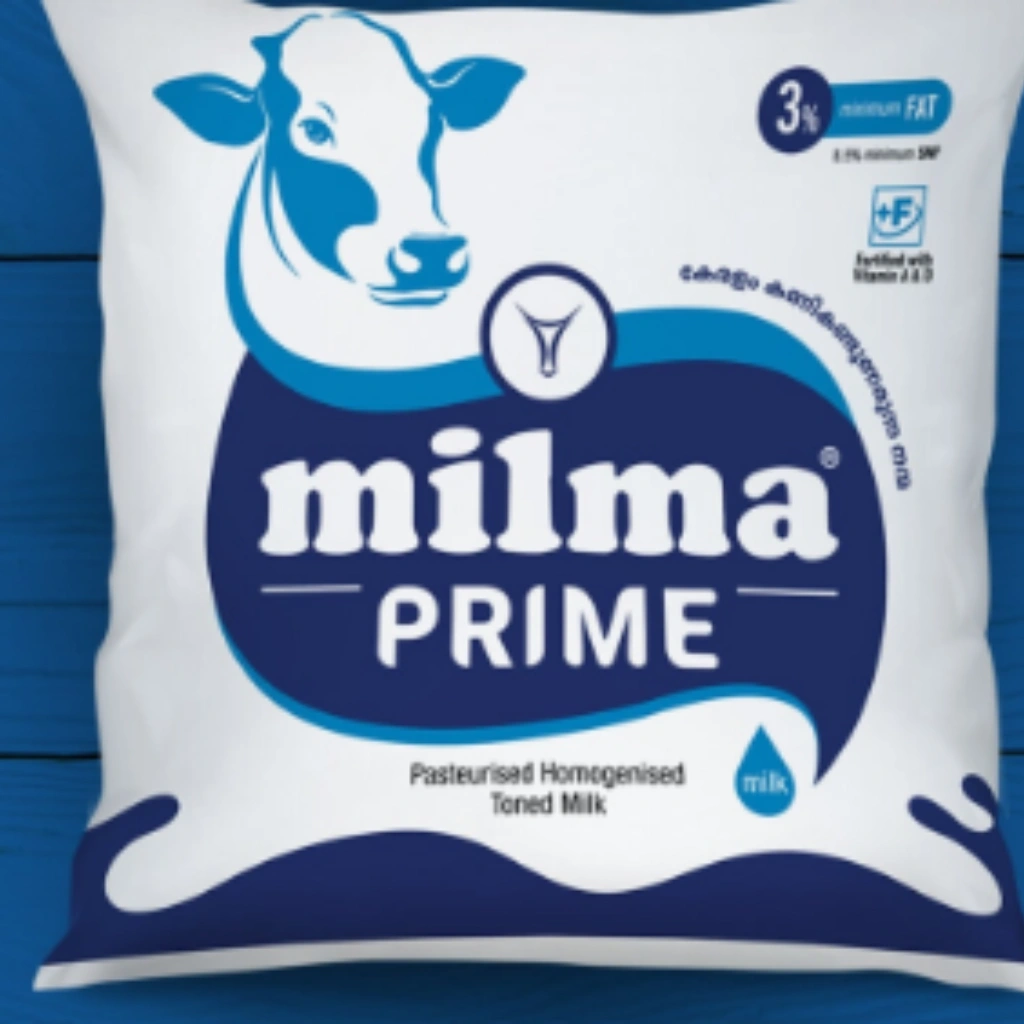
A good example is Milma. When people hear the slogan “കേരളം കാണികണ്ടുണരും നന്മ” (Keralam Kanikandunarum Nanma), many Keralites instantly think of Milma. The familiar logo, trusted dairy products, and memorable tagline have made the brand easy to recognize and remember. That instant connection is a great example of strong brand awareness.
Brand Recognition, Brand Recall, and Brand Awareness
These three words sound close, but they mean slightly different things.
- Brand recognition: You see the brand and know it. For example, you see a red and white can and know it is Coca-Cola.
- Brand recall: You think of a brand on your own, without seeing it. For example, someone asks, “Which saree shop do you trust?” and your name comes to mind first.
- Brand awareness: This is the bigger idea. It includes both recognition and recall, plus how much people know about what you offer.
Brand Awareness Is the First Step in the Sales Funnel
Every sale starts somewhere. A customer must first know your brand before they can trust it, consider it, and finally buy from it. This is why brand awareness sits at the very top of the sales funnel. Without it, no one enters your funnel at all.
Why Brand Awareness Matters
Brand awareness is not just about being famous. It brings real, practical benefits to your business.
It Increases the Wish to Buy
When people know your brand, they feel more comfortable choosing it. A known name feels safer than an unknown one, so aware customers are more likely to pick you over a stranger brand.
It Builds Trust and Credibility
The more often people see your brand, the more they trust it. Trust makes customers come back, and it makes them tell their friends and family about you too.
It Protects You from Competitors
A well-known brand is harder to replace. Even if a new shop opens next door with lower prices, customers often stay loyal to the brand they already know and trust.
It Lets You Charge a Fair Premium
Strong brands can charge a little more, because customers feel they are paying for quality and trust, not just the product. A known saree brand can price its work higher than an unknown one, and people will still pay.
It Helps You Grow and Hire
A well-known brand finds it easier to expand into new markets, sign new suppliers, and attract good employees and business partners. People want to work with brands they already respect.
When Should You Focus on Brand Awareness?
Not every business needs to push brand awareness at every stage. Here are the signs that tell you it’s time.
Your Brand Identity Is Weak or Unclear
If your shop does not have a clear look, name, or feel, customers find it hard to remember you. A clear identity, through your colors, logo, and style, makes people notice and recall you faster.
You Have Little Presence in the Market
If very few people in your area or online know about your business, you need to work on reaching more people through more channels.
You Are Launching Something New
A new shop, a new product line, or a new city needs fresh awareness work. People cannot buy from you if they don’t know you exist yet.
How to Build Brand Awareness: Core Strategies
Building brand awareness takes steady, ongoing work. Here are the main areas to focus on.
Define Your Identity and Values
Decide who your brand is. Choose your colors, your logo, and your style, and keep them the same everywhere, on your shop board, your packets, and your social media pages. Also decide your brand’s tone of voice: are you warm and friendly or formal and premium? Stay true to this in every message you send.
Grow Your Digital Presence
Most customers today search online before they visit a shop. Build a strong social media presence with regular posts. Work with local influencers who already have an audience that trusts them. Use simple SEO so people find you on Google when they search for what you sell. Send friendly, personal emails to past customers to keep your name fresh in their minds.
Connect with Your Community
Sponsor a local event, festival, or sports team. Start a referral program where happy customers bring their friends and get a small reward. Support a charity cause your customers care about. Even small in-store signs and offers help people remember your brand when they walk past.
Content That Builds Awareness
Good content keeps your brand in front of people, again and again, in ways they enjoy.
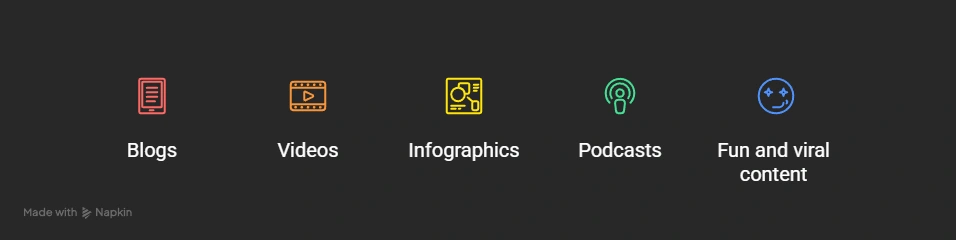
- Blogs: Write simple, helpful articles about topics your customers care about.
- Videos: Show how your products are made, styled, or used. Videos are easy to watch and share.
- Infographics: Use pictures and short text to explain ideas quickly.
- Podcasts: Share your brand’s story and voice through audio, or use a short sound clip in your ads that people remember.
- Fun and viral content: Light, shareable posts, memes, or new tech like AR filters can spread your name far and wide.
Reaching the Right People
Awareness works best when it reaches people who are likely to care about your brand.
- Lookalike audiences: Show your ads to new people who share traits with your current happy customers.
- Third-party audience data: Use data from ad platforms to reach people with matching interests.
- Contextual targeting: Place your ads next to content, topics, or keywords that relate to your business, or even on Connected TV, so your brand appears in the right place at the right time.
How to Measure Brand Awareness
Brand awareness is not as easy to measure as a direct sale, but you can still track it in two ways.
Numbers You Can Count (Quantitative Metrics)
- Website traffic: Are more people visiting your site each month?
- Search volume: Are more people searching your brand name on Google?
- Social media reach: How many people see your posts?
- Share of voice: How often is your brand mentioned compared to your competitors?
What People Say (Qualitative Insights)
- Brand tracking studies: Regular surveys that check how well people know and feel about your brand over time.
- Consumer surveys: Simple questions that ask customers what they think of you.
- Social listening: Reading what people say about your brand online, on social media, and in reviews.
- Focus groups: Small group discussions where real customers share honest feedback.
Brand Awareness in Action
Big brands like Amul, Tata, and Fevicol are known across India because they have built awareness for decades through simple, memorable messages. But you don’t need a huge budget to start. A small boutique in Kunnamkulam can build the same kind of awareness by staying consistent with its look, sharing its story often on social media, and getting happy customers to talk about it. Awareness grows one honest, repeated impression at a time.
Mistakes to Avoid
- Changing your logo, colors, or tone too often. This confuses people and slows down recall.
- Posting once and going silent for weeks. Awareness needs steady, repeated effort.
- Only chasing sales, and never building trust. A brand that only sells and never connects is easy to forget.
- Ignoring feedback. If customers talk about you online, listen and respond.
Conclusion
Brand awareness is not built overnight. It grows with every honest post, every happy customer, and every small, steady step you take. You don’t need a big budget to start. You just need a clear identity, a steady presence, and real care for the people you serve.
Start with one simple step today. Fix your logo and colors, post your story on social media, or ask a happy customer to refer a friend. Keep showing up, week after week, and over time, your brand will become a name people remember, trust, and choose first.

