For online businesses, photographs often provide the first detailed look at what a customer is considering. They show the product’s appearance, features, quality, and details before a purchase.
Businesses usually have two options. They can create product photographs themselves or hire a professional photographer.
DIY is denoted as “Do it Yourself.” DIY product photography can be practical for simple products and small businesses. Professional photography can offer greater control, consistency, and creative direction.
The right choice depends on your products, budget, goals, and where you plan to use the images.
DIY vs Professional Product Photography
Neither approach is right for every business.
The better option depends on what you need the images to accomplish.
| Factor | DIY Photography | Professional Photography |
| Upfront cost | Lower | Higher |
| Quick content updates | Convenient | Requires planning |
| Small product catalogue | Suitable | Suitable |
| Large product catalogue | Can become time-consuming | Better suited to structured production |
| Simple products | Often manageable | Strong option |
| Complex products | More challenging | Better suited |
| Brand consistency | Depends on process | Easier to standardize |
| Campaign photography | Limited | Strong fit |
| Creative direction | Usually limited | Available |
| Technical production | Requires internal learning | Professionally managed |
A business does not have to choose one approach forever.
DIY photography can work for everyday content and early-stage needs. Professional photography can be introduced when the business needs greater consistency, technical quality, or creative direction.
What Are the Benefits of DIY Product Photography?
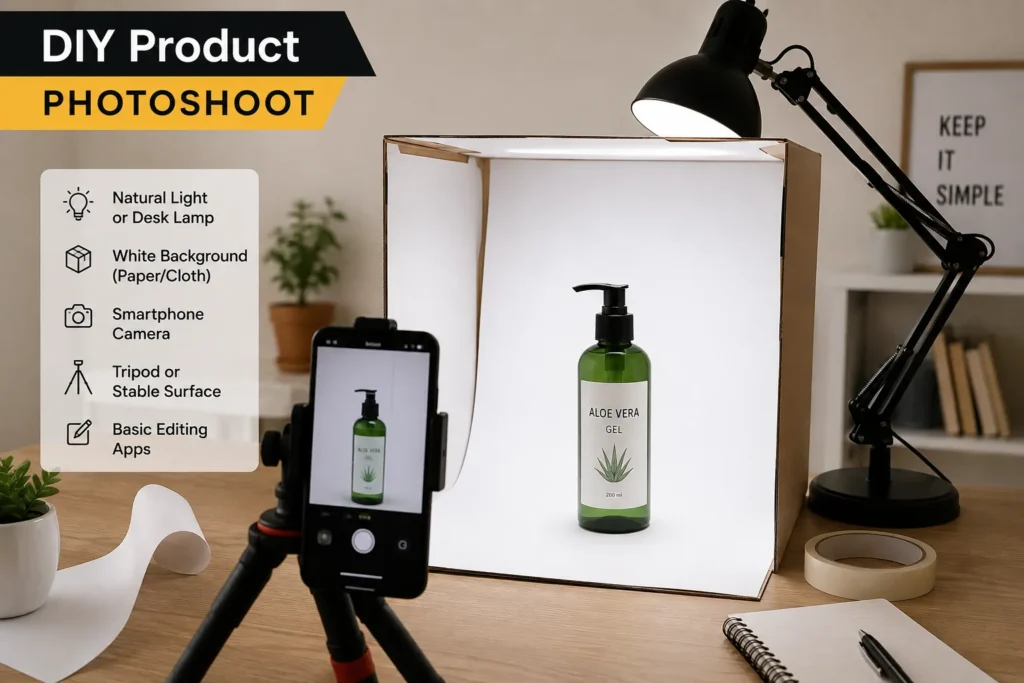
DIY photography can be a useful starting point for businesses. It does not require every company to hire a professional for every photograph.
Lower Upfront Cost
The biggest advantage of DIY photography is its lower initial cost.
A business can start with equipment it already owns. A smartphone, basic lighting, and a suitable background may be enough for simple product images.
This can be useful for startups and small businesses working with limited resources.
However, lower upfront cost does not mean zero cost. Businesses still invest time in learning, setting up, photographing, editing, and preparing the images.
Fast Content Creation
DIY photography gives businesses more control over when images are created.
A team can photograph a new product as soon as it becomes available. This can be useful when businesses need quick images for social media or website updates.
There is also less dependence on external production schedules.
Learning Your Brand’s Visual Style
Creating your own photographs can help you understand how your products should appear visually.
You can experiment with:
- Backgrounds
- Angles
- Lighting
- Props
- Composition
- Product arrangements
This experimentation can help a business discover a visual direction that fits its brand.
Testing New Concepts Quickly
DIY photography is also useful for testing ideas.
For example, a business might want to test different product backgrounds for social media. It can create several versions without planning a full production.
This makes DIY photography useful during the early stages of visual experimentation.
When Is DIY Product Photography a Good Choice?
DIY photography is not automatically the wrong choice. In some situations, it can be a sensible business decision.
When You Are Getting a New Business Off the Ground
New businesses often need basic product images before investing in larger marketing activities.
DIY photography can help create an initial collection of website and product images.
The business can later replace or expand these images as its visual requirements grow.
When You Have a Small Product Catalogue
A small number of simple products can be easier to photograph internally.
If the products have similar shapes and surfaces, a business may also find it easier to maintain a consistent setup.
When Products Have Simple Surfaces
Products without difficult reflections, transparent materials, or complex textures are generally easier to photograph.
Simple packaging and everyday products may not require advanced lighting techniques.
When Budget Is a Major Constraint
Budget limitations can make DIY photography a practical temporary solution.
A business can begin with basic photography and invest in professional production when its marketing needs become more demanding.
When You Need Initial Website Images
A new website may need basic product images before launch.
DIY photography can help a business get started while it develops a more complete visual content plan.
What Are the Limitations of DIY Product Photography?
DIY photography becomes more challenging as the business’s visual requirements increase.
Understanding these limitations helps you decide when professional support becomes useful.
Inconsistent Image Quality
Maintaining the same quality across many photographs can be difficult.
Small changes in lighting, camera position, background, or editing can make products look different from one image to another.
This can affect the overall appearance of an online catalogue.
Difficult Lighting Control
Lighting is one of the more technical parts of product photography.
Reflective, transparent, metallic, and glossy products can create unwanted reflections. Controlling these issues may require specific equipment and experience.
Time Investment
DIY photography requires more than pressing the camera button.
Someone must prepare the product, set up the space, adjust lighting, capture images, select the best photographs, edit them, and prepare the final files.
That time can become significant when the product catalogue grows.
Difficult Product Styling
Some products need more than a simple background.
Lifestyle settings, props, models, locations, and carefully planned compositions may be needed to communicate the product effectively.
Managing these elements can be difficult without production experience.
Scaling Becomes Difficult
A DIY setup may work well for five products but become difficult to manage for hundreds.
As the catalogue grows, businesses need repeatable processes that maintain image quality across different products and batches.
This is where professional production can become more valuable.
What Are the Benefits of Professional Product Photography?
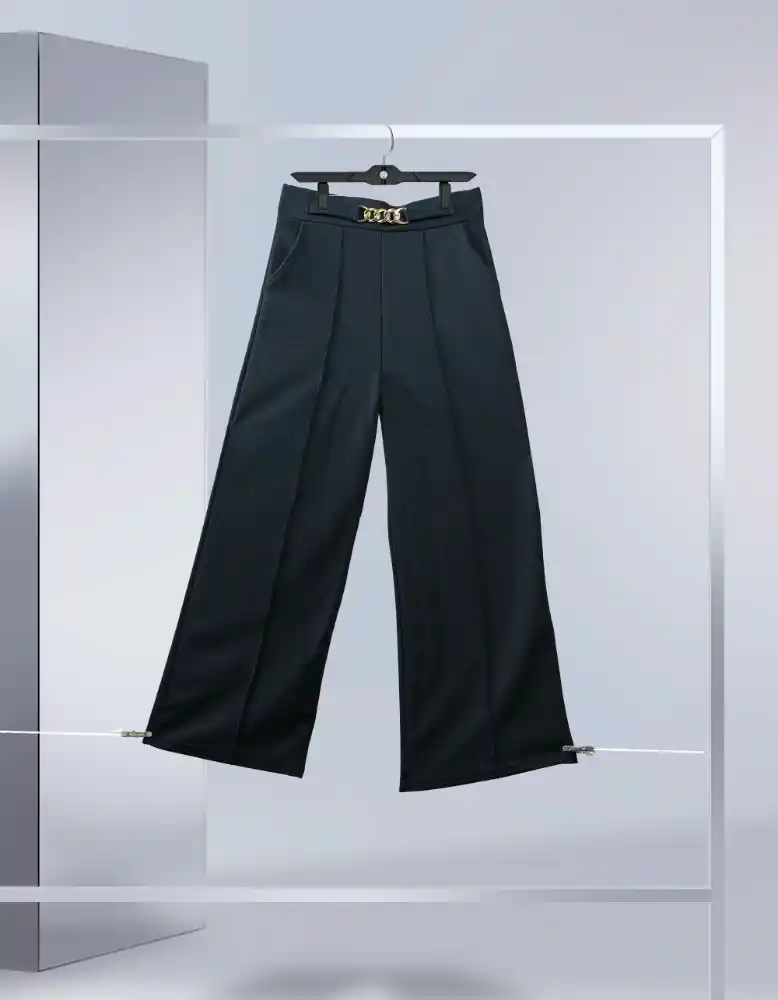
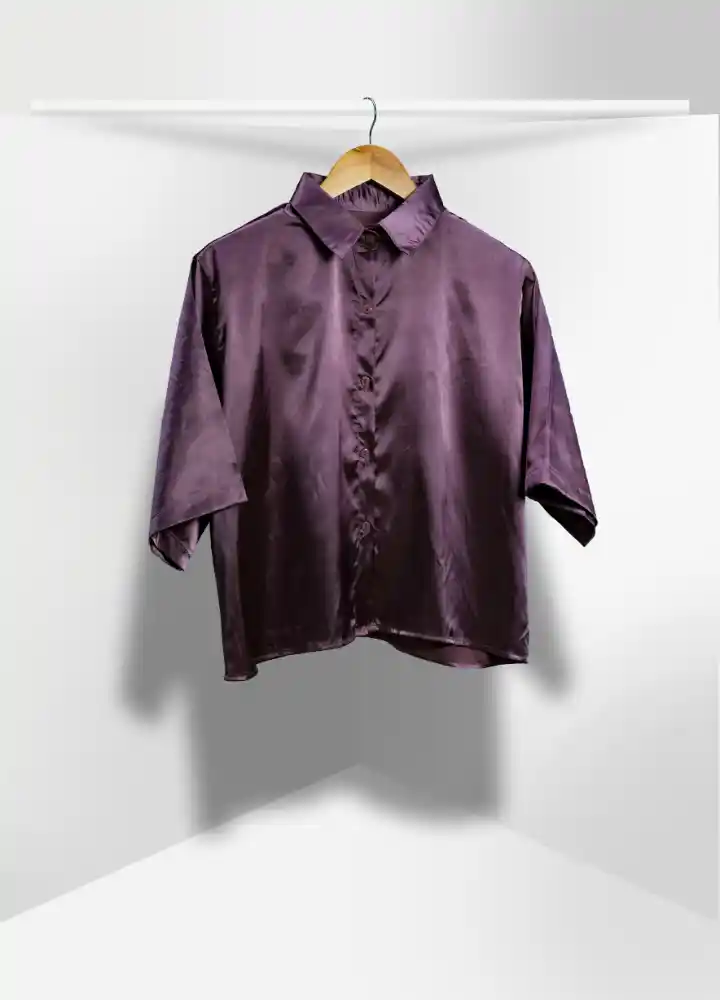

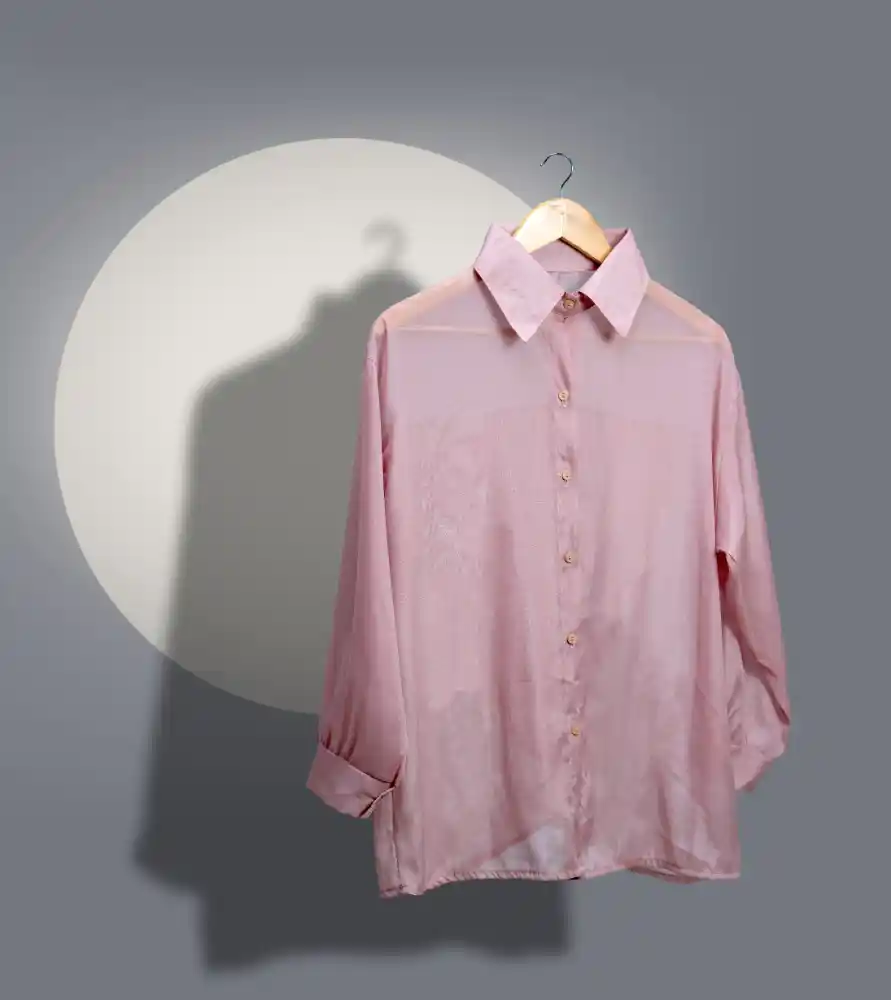
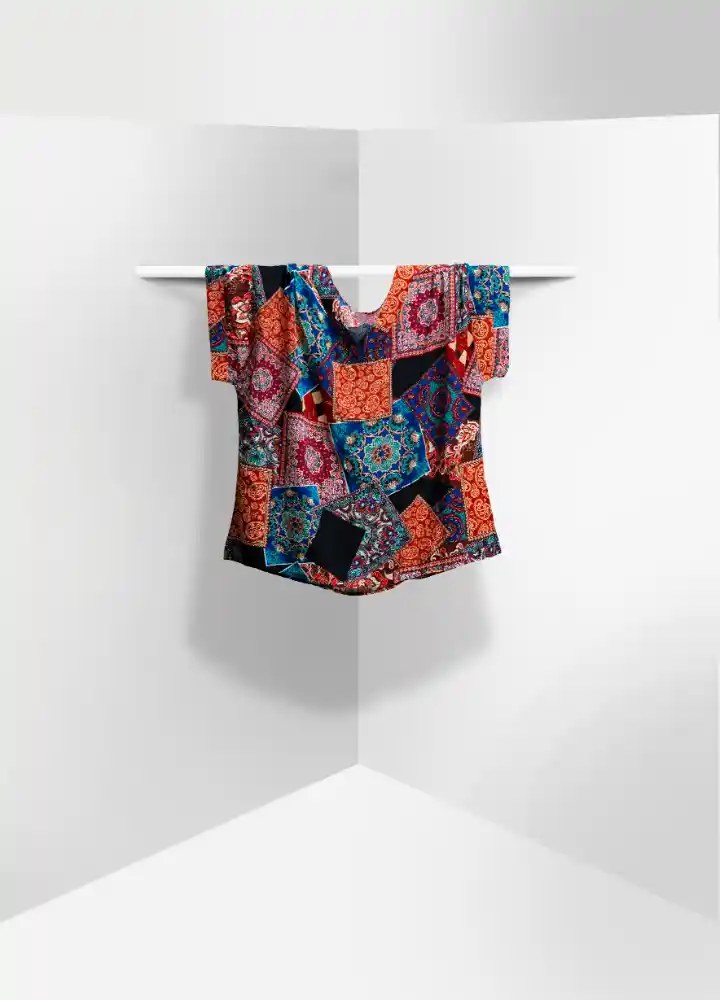
Professional photography offers more than higher-quality images. It can provide a structured approach to creating visual assets for business use.
Builds Brand Trust and Credibility
Professional images can give products a more polished and consistent presentation.
Customers cannot physically examine products when shopping online. Clear, well-produced images can help them understand what they are considering.
The visual quality of a product page can also contribute to how customers perceive the business behind it.
Supports Storytelling and Emotional Connection
Not every product needs to be shown against a plain background.
Lifestyle photography can place products in realistic situations. It can show how a product looks, feels, or fits into everyday use.
This can help customers understand the experience surrounding the product rather than seeing only the product itself.
Provides Consistency at Scale
Professional photography can establish a repeatable visual system.
The same approach to lighting, composition, colour, backgrounds, and editing can be applied across a product range.
This is particularly useful for businesses with large catalogues or multiple product launches.
Handles Technical Complexity
Some products require greater technical control.
Glass, jewellery, metallic surfaces, glossy packaging, and products with complex textures can be challenging to photograph.
Professional photographers can plan lighting and positioning around these challenges.
They can also identify technical problems during the shoot rather than discovering them after production.
Helps Address Ownership and Compliance Requirements
Commercial photography can involve more than creating attractive images.
Businesses may need to understand how photographs can be used and who owns the final assets. Model releases and other permissions may also matter when people appear in commercial photographs.
Planning these considerations before production can reduce problems later.
When Should You Hire a Professional Product Photographer?
The decision to hire a professional often depends on the importance and complexity of the project.
You Are Launching a New Product or Collection
A product launch is an important opportunity to establish how customers first see a new product.
Professional images can provide assets for product pages, social media, advertising, and other launch materials.
You Are Running Paid Advertising Campaigns
Paid campaigns require visual assets designed for specific marketing placements.
A planned photoshoot can create different images for advertisements, landing pages, social media, and other campaign requirements.
You Are Pitching to Retailers or Media
Businesses presenting products to retailers, publications, or other commercial partners may need polished visual materials.
Professional photography can help create a stronger presentation for these situations.
You Sell Reflective or Complex Products
Products made from glass, metal, glossy materials, or highly reflective surfaces can require careful lighting.
Professional support becomes particularly useful when these technical challenges affect the final image.
You Lack Time to Create Visuals
Photography can become a demanding task for an internal team.
If employees are spending significant time creating and editing product images, professional production may allow them to focus on their main responsibilities.
Product Photography Compliance and Legal Basics
Product images used commercially can involve legal and platform requirements.
These requirements should be considered before a photoshoot begins.
Check Marketplace Image Requirements
Online marketplaces can have their own requirements for product images.
These may cover factors such as image dimensions, backgrounds, file formats, and acceptable content.
Always check the current requirements of the specific marketplace before preparing final images.
Understand Copyright and Ownership
Businesses should know who owns the photographs and what usage rights have been agreed.
This is especially important when working with external photographers or agencies.
The agreement should clearly explain ownership and permitted uses.
Get Model Releases When Required
If people appear in commercial photographs, businesses may need appropriate permissions.
A model release can help establish permission for agreed commercial uses.
Consider Right of Publicity
The commercial use of an identifiable person’s image can involve publicity rights.
The exact requirements can vary by location and situation. Businesses should address these matters before using photographs commercially.
Technical Requirements for Product Photography
The technical requirements depend on where and how the images will be used.
Planning these requirements before the shoot can prevent unnecessary reshoots.
Define Output Size and Canvas
Decide where each image will be published before production begins.
A product page, marketplace listing, social media post, and advertisement may require different image dimensions or compositions.
Create a Shot List
A shot list helps ensure that important images are not missed.
It can include:
- Main product views
- Different angles
- Detail shots
- Feature images
- Lifestyle images
- Product variations
A clear shot list also makes the production process easier to manage.
Standardize Lighting and Diffusion
Consistent lighting helps maintain a uniform appearance across product images.
This becomes especially important when photographing several products in the same catalogue.
Use Tethered Capture for Quality Control
For some professional shoots, tethered capture allows images to be viewed on a larger screen during production.
This can help the team identify problems with focus, composition, reflections, or product presentation before the shoot ends.
Export Images for Web Use
Final images should be prepared for their intended digital environment.
For web use, businesses should consider appropriate file formats, dimensions, compression, and colour space.
Using sRGB for web images can help maintain more predictable colour presentation across common digital environments.
Marketplace and E-commerce Image Considerations
Creating the photograph is only one part of the process.
The final image must also work within the platform where it will appear.
Check Marketplace Minimum Dimensions
Do not assume that every marketplace uses the same image requirements.
Check the current specifications for each platform before exporting the final files.
Understand Zoom and Resolution Requirements
Some marketplaces allow customers to zoom into product images.
Higher-resolution source images may therefore be necessary to preserve important product details.
Maintain Colour Consistency Across Batches
Customers should see a consistent representation of products across a catalogue.
Large differences in colour, lighting, or background can make a product range look unorganized.
Manage Reflections and Textures
Reflections can change how products appear in photographs.
This matters especially for:
- Glass products
- Metal products
- Jewellery
- Glossy packaging
- Textured materials
Careful lighting and positioning can help preserve important product details.
A Practical Decision Checklist
Still unsure which approach fits your business?
DIY photography may be suitable if:
- You have a small catalogue.
- Your products are simple to photograph.
- Your budget is limited.
- You need basic website images.
- You are testing visual concepts.
- You have enough time to create the images.
Professional photography may be a better choice if:
- You are launching an important product.
- You need consistent catalogue images.
- Your products are technically difficult.
- You are running paid advertising campaigns.
- You need lifestyle or campaign photography.
- You are presenting products to retailers or media.
- Your team does not have enough time or expertise.
The decision should be based on the business requirement, not simply the cost of the camera or photography service.
Final Thought on DIY or Professional Product Photography?
DIY product photography can be a practical starting point.
It works particularly well for simple products, small catalogues, early-stage businesses, and situations where quick content is more important than complex production.
Professional product photography becomes more valuable as your requirements grow.
If you need consistent images across a large catalogue, technically demanding product shots, campaign assets, or stronger brand presentation, professional expertise can save time and improve the production process.
The best approach can also change as your business develops:
Start → Test → Grow → Scale → Invest in Professional Production
The important question is not whether DIY or professional photography is universally better.
